Bikes · Resale guide
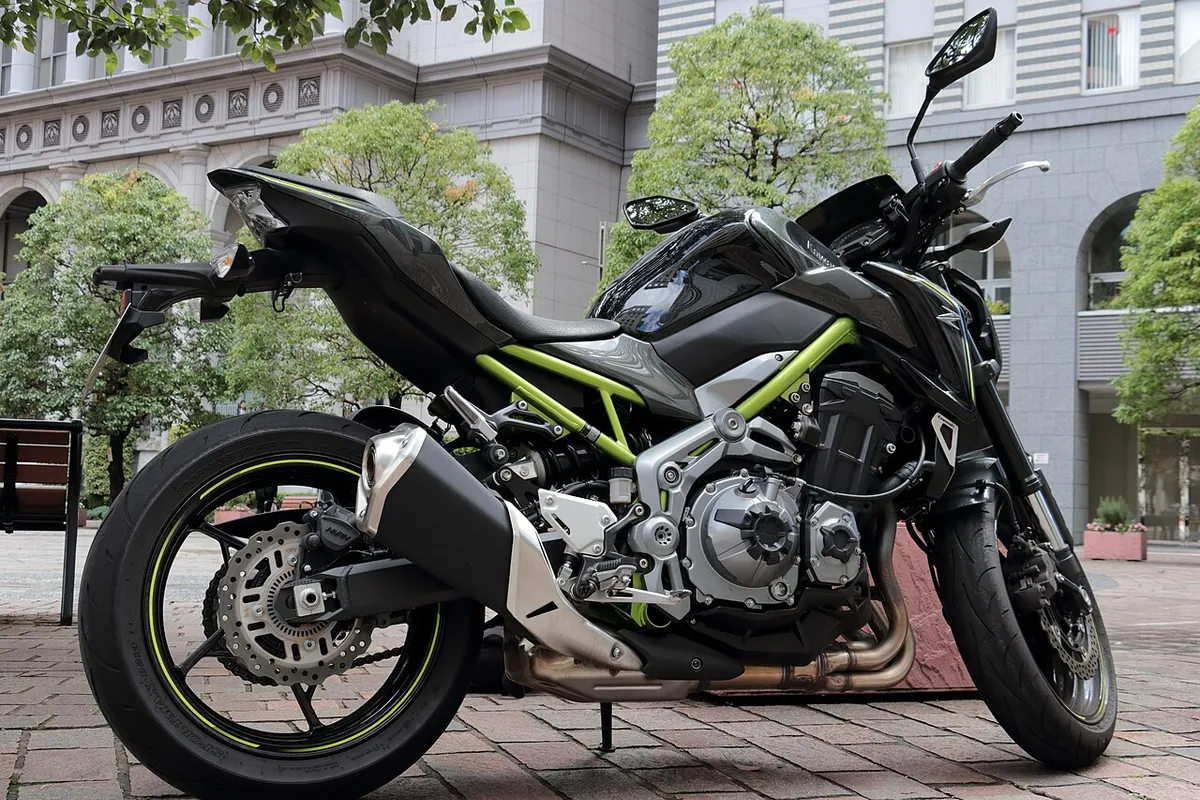
Kawasaki Z900
Fair price · India 2026
Prices checked 27 Sept 2026Range: ₹6,00,000 to ₹8,99,000 · depends on condition
Depreciation curve
5-year outlookThree ways to sell
Jaldi Bikega
Quick sell · 1–3 days
₹6,00,000
Sahi Daam · pick
Fair price · 5–10 days
₹8,24,500
Meri Marzi
Premium · 2–4 weeks
₹11,00,000
New price from
₹8,50,000
Varies by variant and year
In gold
64.9g
@ ₹12,712/g (intl. rate)
Drops by
₹18,300
every month waiting
= Netflix for
5533 mo
(at ₹149/month)
Buying used? Check vehicle history first
Verify owner count, insurance, challan and blacklist on Parivahan
How Much Is a Used Kawasaki Z900 Worth in India?
A used Kawasaki Z900 is worth ₹6,00,000 to ₹11,00,000 in India in 2026, depending on its condition, age, and service history. This wide range reflects how well the bike has been maintained and its overall wear-and-tear. Bikes in pristine, “Like New” condition command the highest prices, while those showing significant wear or with an unclear history will fall into the lower end of the “Fair” category.
Is the Kawasaki Z900 Still Worth It in 2026?
The Kawasaki Z900, originally launched in India around 2017-2018 (with updates in 2020), is now 6-9 years old in 2026. Despite its age, it remains a highly desirable naked sportbike. Its 948cc inline-four engine is renowned for its thrilling power delivery and reliability, making it a potent machine even by today’s standards.
Kawasaki has a decent service network in major Indian cities, and while parts can be expensive, they are generally available. The bike’s mechanical simplicity compared to some newer, more electronically complex models means a good third-party mechanic can often handle routine maintenance. Software updates aren’t a major concern for a bike of this vintage, as its core appeal lies in its raw, mechanical performance.
For someone looking for a powerful, engaging, and relatively comfortable naked bike without the hefty price tag of a brand-new litre-class machine, the Z900 offers immense value. You get a proven, exciting platform that still turns heads and delivers a proper big-bike experience.
Bottom line: Yes, the Kawasaki Z900 is still a fantastic performance motorcycle in 2026, provided you find a well-maintained example.
Kawasaki Z900 Price Guide
| Condition | Price Range | What It Means |
|---|---|---|
| Like New | ₹9,00,000 – ₹11,00,000 | Under 15,000 km, spotless paint, no visible scratches/dents, full service records, original tyres/consumables in good health, often with 1-2 owners. |
| Good | ₹7,50,000 – ₹8,99,000 | Under 30,000 km, minor cosmetic imperfections, regular service history, consumables (tyres, chain) may need replacement soon, 2-3 owners. |
| Fair | ₹6,00,000 – ₹7,49,000 | Over 30,000 km, noticeable scratches/dents, missing service records, multiple owners, likely needs immediate service and consumable replacements. |
Note that price adjustments can occur based on specific model year, colour, and any high-quality aftermarket accessories. Use the calculator below for a personalized estimate based on your exact specs.
Advantages — Why Buyers Pick the Kawasaki Z900 in 2026
Thrilling Inline-Four Engine Performance. The 948cc inline-four engine is the heart of the Z900, delivering a smooth, linear powerband with a fierce top-end rush. It’s an exhilarating experience that few bikes in this price segment can match, making it perfect for highway blasts and spirited weekend rides.
Comfortable Ergonomics for a Naked Bike. While it’s a sport naked, the Z900 offers a surprisingly comfortable riding posture for daily commutes and longer tours. The upright position reduces strain on your wrists and back, making it more practical than full-faired sportbikes for Indian conditions.
Reliable Kawasaki Engineering. Kawasaki has a strong reputation for building robust and dependable engines. The Z900’s motor is known for its longevity if properly maintained, giving owners peace of mind that they’re investing in a durable machine that won’t leave them stranded.
Good Parts Availability (for a Premium Bike). In major Indian cities, Kawasaki’s service network ensures that essential spare parts are generally accessible. While not as common as domestic brands, you won’t struggle significantly to find components for routine maintenance or common repairs.
Iconic and Aggressive Styling. The Z900’s Sugomi design philosophy gives it a distinctive, aggressive streetfighter look that stands out. Even years after its launch, its sharp lines, exposed trellis frame, and muscular stance continue to turn heads and give it a premium feel.
Modern Electronics (on 2020+ models). Newer Z900 models (2020 onwards) come equipped with a TFT colour display, multiple riding modes, and Kawasaki Traction Control (KTRC). These features enhance safety and rider enjoyment, offering a modern riding experience that was not standard on earlier models.
Disadvantages — Why You Might Skip the Kawasaki Z900 in 2026
Significant Heat in Indian Traffic. The Z900’s powerful inline-four engine generates a lot of heat, which can be quite noticeable and uncomfortable in slow-moving Indian city traffic. This is a common complaint from owners, especially during peak summer months.
Stiff Suspension for Bad Roads. The suspension setup, while excellent for handling on smooth roads, can feel overly stiff and jarring on broken tarmac or potholes. This can impact rider comfort, especially on longer rides through varied road conditions across India.
High Insurance and Running Costs. Being a premium, high-displacement motorcycle, the Z900 attracts higher insurance premiums and general running costs compared to smaller bikes. Fuel efficiency, while decent for its class, won’t be budget-friendly if you’re coming from a commuter.
Expensive Spares and Servicing. While parts are available, they come at a premium compared to domestic or even some other imported brands. A major repair or component replacement can quickly become a costly affair, making it crucial to buy a bike with a clean history.
Lack of Quickshifter/Autoblipper (Pre-2020 Models). Earlier Z900 models lack a factory-fitted quickshifter or autoblipper, which are common features on many newer premium naked bikes. If you value seamless, clutchless gear changes, you might find this omission a minor drawback.
Heavy for Some Riders. At around 210 kg wet, the Z900 can feel quite heavy, especially when maneuvering at parking speeds or in tight spaces. Newer riders or those with a smaller build might find it a bit cumbersome until they get used to its weight.
Factors That Affect Kawasaki Z900 Resale Value
Bike Condition is Paramount. This is the biggest factor. A Z900 with pristine paint, no dents, and well-maintained components can fetch ₹50,000-₹80,000 more than one with visible damage or neglected appearance. Buyers expect a premium feel.
Total Kilometers Run. Lower odometer readings directly translate to higher value. A bike with under 15,000 km will command ₹40,000-₹70,000 more than one with 30,000+ km, even if both are mechanically sound. Buyers associate low mileage with less wear.
Comprehensive Service History. A full, documented service history from an authorized Kawasaki service centre or a reputable mechanic adds immense credibility. Expect ₹30,000-₹50,000 extra for a bike with complete records, showing regular maintenance.
Number of Owners. A single-owner bike is always preferred. Each additional owner typically reduces the value by ₹15,000-₹25,000, as it suggests more varied usage and potentially less consistent care.
Aftermarket Accessories (Quality Matters). High-quality, tasteful accessories like branded exhausts (Akrapovic, SC Project), crash protectors, or comfort seats can add ₹10,000-₹30,000. Cheap or poorly fitted accessories can actually detract from the value.
Tyre and Consumable Health. If the tyres, chain, sprocket, and brake pads are in good condition and don’t require immediate replacement, it saves the buyer money. This can add ₹15,000-₹25,000 to the perceived value.
City of Registration. Bikes from metro cities with high demand for premium motorcycles (e.g., Bangalore, Mumbai, Delhi) often fetch slightly better prices, sometimes ₹5,000-₹10,000 more, due to a larger buyer pool.
Colour and Model Year. While less impactful, popular colours (like the signature Kawasaki green) can sell slightly faster. Newer model years (especially 2020+ with TFT display and electronics) are significantly more valuable, potentially ₹60,000-₹1,00,000 higher than older models.
Maintenance Cost Breakdown (India, 2026)
Table 1 — Authorized Service Centre (genuine parts, full cost):
| Service | Cost | When Needed |
|---|---|---|
| Regular Service (Oil, Filter, Check-up) | ₹6,000 – ₹9,000 | Every 6,000 km or 6 months |
| Chain & Sprocket Replacement | ₹10,000 – ₹15,000 | Every 20,000 – 30,000 km |
| Tyre Replacement (Pair, Premium Sport) | ₹25,000 – ₹35,000 | Every 15,000 – 25,000 km (rear wears faster) |
| Brake Pad Replacement (Front Pair) | ₹4,000 – ₹7,000 | Every 15,000 – 25,000 km |
| Clutch Plate Replacement | ₹7,000 – ₹12,000 | Every 30,000 – 50,000 km (depends on riding style) |
| Fork Seal Replacement (USD forks, per side) | ₹8,000 – ₹12,000 | As needed, typically after 40,000 km or damage |
| Valve Clearance Adjustment | ₹9,000 – ₹15,000 | Every 24,000 km (major service) |
Table 2 — Third-Party Repair Shops (cheaper, with tradeoffs):
| Service | Cost | Tradeoff |
|---|---|---|
| Regular Service (Oil, Filter, Check-up) | ₹3,000 – ₹5,000 | May use aftermarket oil/filters, less specific brand knowledge |
| Chain & Sprocket Replacement | ₹7,000 – ₹10,000 | May use non-OEM chain/sprocket, potentially shorter lifespan |
| Tyre Replacement (Pair, Premium Sport) | ₹22,000 – ₹30,000 | Labour might be cheaper, but tyre cost is largely fixed |
| Brake Pad Replacement (Front Pair) | ₹2,500 – ₹5,000 | May use aftermarket pads, possibly different feel/longevity |
Annual running cost estimate: ₹15,000-₹25,000 budget for wear-and-tear at this age, plus one major repair likely in years 7-10.
Known Issues — Reported by Real Kawasaki Z900 Owners
Engine Heat in Bumper-to-Bumper Traffic. Many owners on Team-BHP bike threads and Reddit r/indianbikes report significant engine heat, especially during slow-moving city commutes. The inline-four engine radiates a lot of warmth onto the rider’s legs, which can be uncomfortable in Indian summers.
Stiff Suspension for Rough Roads. RevZilla rider reviews and YouTube 10,000 km review videos often mention the Z900’s firm suspension setup. While great for cornering, it can feel harsh and transmit bumps directly to the rider on uneven or broken Indian roads, affecting long-distance comfort.
Occasional Fuel Pump Issues (Older Models). Some earlier Z900 owners have reported isolated incidents of fuel pump issues, leading to rough idling or stalling. While not widespread, it’s worth checking the bike’s history for any such repairs.
Aggressive Throttle Response for New Riders. BikeWale user reviews sometimes point out that the Z900’s throttle can feel quite aggressive, especially in Sport mode. This can be challenging for riders transitioning from lower-capacity bikes and requires a delicate right wrist to manage smoothly.
Early Chain Wear if Not Maintained. Like many high-performance bikes, the Z900’s chain and sprocket can wear out faster if not regularly cleaned and lubricated. Forums often stress the importance of diligent chain maintenance to avoid premature replacement costs.
THE GRIP & FOOTPEG WEAR TEST (Odometer Fraud for Bikes): Before you even look at the odometer, check the rubber grips and footpeg rubbers. These wear down naturally with use. If the grips are worn smooth or the footpegs are visibly flattened but the odometer shows very low kilometers, it’s a huge red flag for tampering. Conversely, brand new aftermarket grips on an older bike might be hiding high mileage.
THE FORK SEAL OIL RING TEST: Look closely at the shiny metal fork tubes just above the front wheel. Wipe them absolutely clean. Now, push down hard on the front suspension a few times, letting it rebound. Check the fork tubes again. Any thin film of oil or a visible oil ring indicates leaking fork seals. This isn’t just a ₹8,000-₹12,000 repair per side; it’s a safety hazard as oil can drip onto your front brake.
THE CHAIN PULL TEST: At the rear wheel, grab the chain at the back of the rear sprocket and try to pull it away. If you can pull the chain far enough that you can see half or more of the sprocket tooth, the chain and sprocket set is stretched and needs replacement. Also, visually inspect the sprocket teeth – they should be rounded. If they look hooked or like shark fins, they are severely worn. This is a ₹7,000-₹15,000 expense.
THE COLD ENGINE COLOR TEST: Before the seller starts the bike, take a good look at the exhaust pipe tip. A dry, light grey tip is usually healthy. Black, oily soot suggests the engine is running rich or burning oil. White, crusty deposits could indicate a coolant leak (on liquid-cooled bikes like the Z900). Do this before they start it, as exhaust heat can burn off some evidence.
THE STEERING HEAD BEARING TEST: Stand in front of the bike, holding both ends of the handlebar firmly. Now, rock the front wheel assembly forward and backward (not side to side). If you feel any “clunking” or a “notch” in the steering, it means the steering head bearings are worn. This leads to instability and wobbling at higher speeds—a dangerous situation. Expect a ₹8,000-₹12,000 repair at an authorized centre.
Warranty Status Timeline
| Period | Warranty Status |
|---|---|
| 2017 – 2019 | Manufacturer standard warranty (expired for all units by 2026) |
| 2018 – 2021 | Extended / KawasakiCare+ if purchased — expired or near-expired |
| 2026 | No manufacturer warranty. All repairs out-of-pocket. |
| 2026 | Third-party insurance: Not worth it for a bike this old; coverage will be minimal for the premium. |
Pre-Purchase Inspection Checklist
Essential Checks
- Verify RC on Parivahan app — Check the owner count, registration date, and any hypothecation (loan outstanding) status. Ensure the chassis and engine numbers match the RC.
- Cold engine test — Arrange to visit without prior notice. A bike that’s hard to start when cold can indicate engine issues like weak battery, bad spark plugs, or more serious compression problems.
- Check for oil leaks — Inspect around the engine block, fork seals, and under the bike. Any visible oil drips or residue are a red flag.
- Inspect chain and sprocket — Look for excessive slack, rusted links, or hooked teeth on the sprocket. Significant wear means an immediate replacement is needed (₹7,000-₹15,000).
- Test both brakes — Squeeze the front lever and press the rear pedal. A spongy feel indicates air in the lines, old fluid, or worn master cylinder components.
- Check tyre condition — Look for adequate tread depth (especially the centre and sides), cracks, or uneven wear. Worn tyres mean a ₹25,000-₹35,000 replacement.
- Look at fork seals — Check for any oil residue on the shiny fork tubes. Oily forks mean leaking seals that need replacement (₹8,000-₹12,000 per side).
- Check exhaust smoke — After starting, observe the smoke. White smoke often indicates a head gasket issue, blue smoke means oil is burning, and black smoke suggests a rich fuel mixture.
- Ride for 15+ minutes — Pay attention to vibrations, smooth gear shifts, clutch slip (RPM climbs without speed increasing), and handling stability.
- Verify odometer matches general wear — A low reading combined with heavily worn grips, footpegs, or brake/clutch levers is a sign of odometer tampering.
- Check frame for bends or welding marks — Inspect the main frame, especially around the steering head and swingarm pivot. Any signs of repair, bends, or mismatched paint could indicate a past accident.
Insider Checks
THE CABLE PATHING CHECK (Hidden Crash Damage): Trace all control cables (throttle, clutch, brake lines) and electrical wiring. They should run smoothly without kinks, tight spots, or signs of being pinched. If cables are routed unusually or show chafing, it can indicate the handlebars or front end were replaced after a crash, and reassembly was poor. A misrouted throttle cable could stick, costing you ₹2,000-₹5,000 to fix correctly, plus the safety risk.
THE TFT DISPLAY PIXEL TEST (2020+ Models): If it’s a 2020 or newer model with the TFT display, turn the ignition on and off a few times. Look for any dead pixels, lines, or discolouration on the screen. These displays are durable but can get damaged. A replacement TFT unit from Kawasaki is a staggering ₹25,000-₹40,000 and is often not worth it for a used bike.
THE COOLANT RESERVOIR CHECK (Overheating Issues): Locate the coolant reservoir (usually a translucent bottle near the engine). Check the coolant level. It should be between the min and max marks. Also, look at the colour – it should be bright green or blue, not rusty brown or murky. Low or discoloured coolant can signal neglect, a leak, or past overheating issues, which could lead to a ₹10,000-₹20,000 radiator or water pump repair.
THE IGNITION KEY TEST (Lock Set Issues): Insert the key into the ignition, fuel cap, and seat lock. The key should turn smoothly in all three. If it’s sticky or requires jiggling, the lock set might be worn or damaged, potentially indicating a previous theft attempt or a replacement lock set not matching the original. Replacing a full lock set can be a ₹8,000-₹15,000 job.
Common Scams to Watch For (India 2026)
Stolen Bike with Forged RC. This is a major risk with premium bikes. Always verify the chassis and engine numbers on the bike match the RC book exactly. Use the Parivahan app to check the RC details and ensure the bike’s history aligns. If the seller is hesitant to share photos of the numbers, walk away.
Chassis or Engine Number Tampering. Scammers might grind off or re-stamp chassis or engine numbers to hide a stolen identity or accident history. Carefully inspect the areas where these numbers are stamped—look for grinding marks, mismatched fonts, or uneven spacing. This is illegal and a sign of a deeply problematic bike.
Accident Hidden by Fairing Replacement. A common trick is to replace all plastic panels to hide crash damage. Look beyond the shiny plastics. Check the main frame for bends, cracks, or re-welding marks. Inspect handlebar alignment, fork straightness, and any uneven gaps between panels.
Engine Swap. Sometimes, a blown engine is replaced with a used one from another bike. Ensure the engine number matches the RC. Also, look for mismatched paint or cleanliness levels between the engine block and the rest of the bike, which can hint at a non-original engine.
Fake Service Records. Sellers might present service booklets with stamps from local mechanics that don’t match authorized dealer databases. Call the nearest authorized Kawasaki service centre with the bike’s chassis number to verify its service history. Don’t rely solely on paper records.
Odometer Replacement or Tampering. On digital clusters, mileage can be reset. Cross-reference the odometer reading with the wear on the rear sprocket, chain stretch, and tyre condition. A bike with 10,000 km shouldn’t have heavily worn tyres and a stretched chain.
Non-Matching Insurance / Zero Claim Bonus Discrepancy. Ask for the bike’s insurance policy. If the seller claims a zero-depreciation policy with a zero claim bonus, but the bike shows signs of repair or accident, it suggests undisclosed claims. Always check the claim history with the insurer if possible.
Pressure to Buy Quickly. If a seller is overly insistent on an immediate sale, offers a suspiciously low price, or refuses a thorough inspection, it’s a major red flag. Take your time, do your checks, and don’t feel rushed into a decision.
Seller’s Guide — How to Maximize Your Kawasaki Z900 Resale
Physical Preparation
Get an Oil Change and Basic Service Done. A freshly serviced bike runs smoother and gives buyers confidence. An oil and filter change, along with a general check-up (costing ₹5,000-₹8,000), can add ₹15,000-₹25,000 to perceived value.
Clean and Lubricate the Chain. A noisy, dirty chain is an instant turn-off. A thorough cleaning and lubrication show care and prevent buyers from thinking they need an immediate replacement.
Fix Any Minor Oil Leaks. Even small drips from a fork seal or engine cover can scare off buyers, making them fear major engine issues. Address these minor leaks before listing.
Ensure Both Brakes Work Well. Check brake fluid levels and pad wear. Replace worn pads (₹4,000-₹7,000 per axle) if needed. Good brakes are crucial for safety and buyer confidence.
Polish and Wash Thoroughly. First impressions matter. A gleaming Z900, meticulously cleaned and polished, will attract more serious buyers and justify a higher price. Don’t forget the wheels and engine bay.
Ensure All Electricals Work. Headlight (high/low beam), indicators, horn, tail lamp, and instrument cluster must be fully functional. Minor electrical issues can make buyers suspicious.
Remove Aftermarket Exhausts (Usually). While some buyers like aftermarket exhausts, many prefer the stock exhaust for legal reasons (noise norms) and to ensure original condition. Reinstalling the stock exhaust (if you have it) often broadens your buyer pool.
Remove Personal Stickers and Modifications. Unless they are high-quality, universally appealing accessories, personal modifications or stickers can limit your audience. Return the bike to as close to stock appearance as possible.
Documentation
Gather All Documents. Have your RC book, insurance papers (current and past, if possible), PUC certificate, and original purchase invoice ready. A complete paper trail adds significant credibility and can boost value by ₹20,000-₹30,000.
Compile Service Records. Keep all service bills and records from authorized centres or reputable mechanics. This demonstrates consistent maintenance and reassures buyers about the bike’s health.
Listing Photography
Take Photos in Good Lighting. Shoot outdoors during daylight. Show the bike from all angles (front, rear, both sides). Include close-ups of the engine, instrument cluster (showing odometer), tyres, and any key features.
Be Honest About Scratches. Don’t hide minor imperfections. Take clear, honest photos of any small scratches or dents. Transparency builds trust and avoids wasted visits.
Platform Choice
List your Z900 on platforms like Bids44 where buyers compete, potentially driving up your price. Also consider popular marketplaces like OLX, BikeWale, or even specific Kawasaki owner groups on social media. For a quick, hassle-free sale, Cashify can be an option, though prices might be lower.
Final Verdict — Should You Buy or Sell in 2026?
For buyers: If you’re looking for a raw, exciting, and reliable inline-four experience without breaking the bank, a used Kawasaki Z900 is an excellent choice in 2026. Seek out models from 2020 onwards for the added electronics package, or an older, well-maintained example if budget is tighter. Aim for bikes with under 25,000 km, a full-service history, and ideally 1-2 owners. Expect to pay within the Good-to-Like New band shown in the price guide above for a really good example. If your budget stretches significantly higher, consider the newer Z900 models or even other performance offerings from Kawasaki for the latest tech.
For sellers: Your Kawasaki Z900 still holds strong appeal in the used market. To maximize your return, ensure your bike is in top cosmetic and mechanical condition, with all documents in order. Expect a realistic listing price within the band shown in the price guide above, depending heavily on its condition and model year. Private sale will generally fetch you ₹30,000-₹60,000 more than a dealer exchange. Listing on a bidding marketplace like Bids44 can help you find the best price from competing buyers.
Personalized estimate
Check your Kawasaki value
Ten seconds. No signup.

Analyzing your item...
On Bids44, buyers compete for your item — so you always get the best price
Powered by Bids44 AI Fun fact
Your item is worth — grams of gold at today's rate
Gold rate: ~₹9,500/gram (Mar 2026). Every month you wait, your item loses value while gold goes up.
Happy with the price?
List on Bids44. Buyers compete. You pick the winner.
Ready to sell your Kawasaki Z900?
Bids44 is India's bidding marketplace. Buyers compete. You get the best price — not the first offer.
List on Bids44Frequently Asked Questions
How much is a used Kawasaki Z900 worth in India in 2026?
How does insurance status affect Kawasaki Z900 resale?
Do modifications increase or decrease my Kawasaki Z900 resale value?
How much does a Kawasaki Z900 depreciate per year?
What pre-purchase checks should buyers do on the Kawasaki Z900?
Should I service my Kawasaki Z900 before selling?
More like this
Related Bikes guides
Royal Enfield Guerrilla 450
6-yr depreciation
Bajaj Pulsar 220F
6-yr depreciation
Hero Xtreme 160R
6-yr depreciation
Suzuki Gixxer 250
6-yr depreciation
Honda Activa 4G
6-yr depreciation
Honda SP125
6-yr depreciation
Also read