Bikes · Resale guide
KTM RC 390
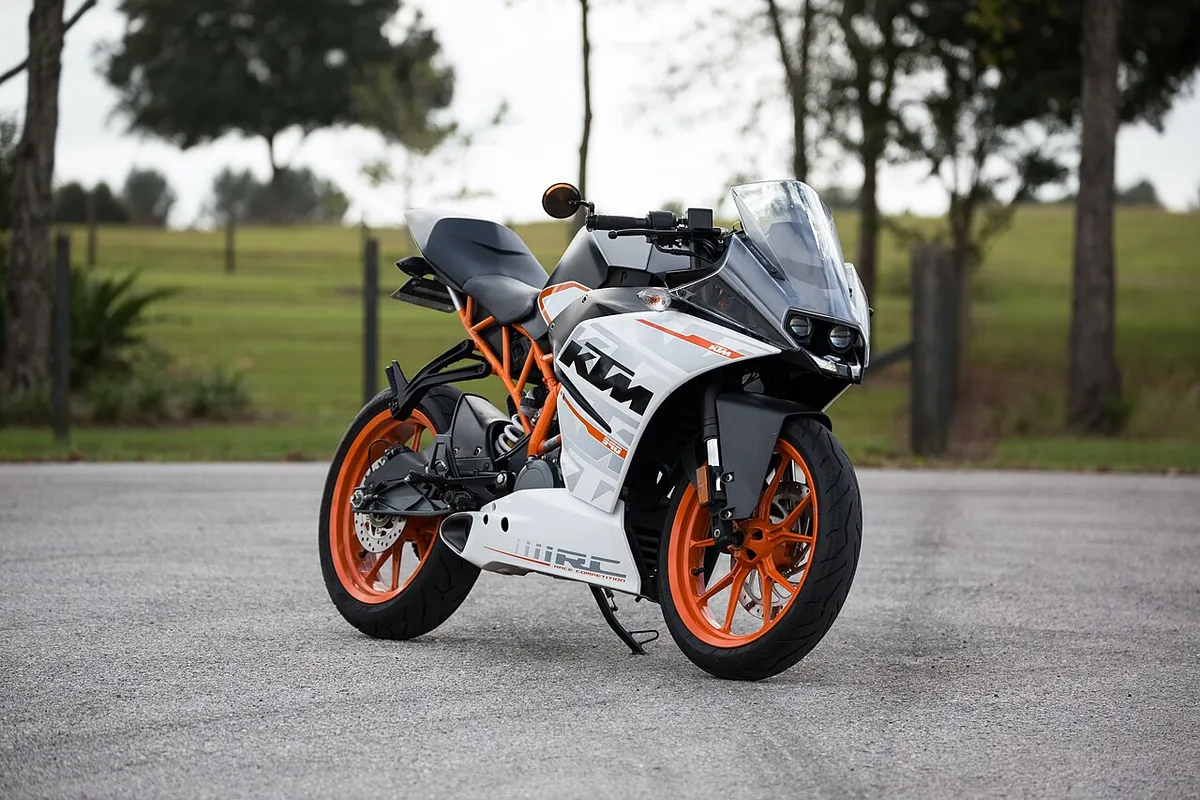
Fair price · India 2026
Prices checked 26 Jul 2026Range: ₹1,20,000 to ₹2,55,000 · depends on condition
Depreciation curve
5-year outlookThree ways to sell
Jaldi Bikega
Quick sell · 1–3 days
₹1,20,000
Sahi Daam · pick
Fair price · 5–10 days
₹2,27,500
Meri Marzi
Premium · 2–4 weeks
₹2,95,000
You paid new
₹3,20,000
Lost ₹92,500 (29%)
In gold
17.9g
@ ₹12,712/g (intl. rate)
Drops by
₹5,600
every month waiting
= Netflix for
1526 mo
(at ₹149/month)
Buying used? Check vehicle history first
Verify owner count, insurance, challan and blacklist on Parivahan
How Much Is a Used KTM RC 390 Worth in India?
A used KTM RC 390 is worth ₹1,20,000 to ₹2,95,000 in India in 2026, depending on its condition, age, and maintenance history. This range reflects a significant depreciation from its original launch price of ₹3,20,000. Factors like the number of previous owners, service records, and any modifications can significantly shift a bike’s value within this bracket. A well-maintained, lower-mileage example will always fetch a premium, especially in metro cities.
Is the KTM RC 390 Still Worth It in 2026?
The KTM RC 390, first launched over a decade ago, remains a compelling option for performance enthusiasts in 2026. While newer models have arrived, the RC 390’s raw, track-focused character still stands out. It’s a bike that demands skill and rewards aggressive riding, making it a thrilling choice for weekend rides or occasional track days.
Spare parts availability for the RC 390 is generally excellent across KTM’s widespread service network in India. You won’t struggle to find components, though some specific fairing parts might take a few days to order. The service network is robust, especially in tier-1 and tier-2 cities, with trained mechanics familiar with the platform. However, be prepared for slightly higher service costs compared to some other brands, reflecting its premium positioning.
In 2026, the RC 390 continues to offer a potent package for its used price. Its high-revving engine, sharp handling, and aggressive styling still hold up. The bike might lack some of the latest tech features of brand-new machines, but its core performance remains undiluted.
Bottom line: If you’re looking for an affordable, high-performance sportbike experience and are comfortable with its aggressive ergonomics and potentially higher maintenance, the used KTM RC 390 is absolutely still worth considering in 2026.
KTM RC 390 Price Guide
| Condition | Price Range | What It Means |
|---|---|---|
| Like New | ₹2,55,000 – ₹2,95,000 | Flawless bodywork, under 15,000 km, full service history, original tyres (if low mileage) or recent premium replacements, no accident history. |
| Good | ₹2,00,000 – ₹2,55,000 | Minor cosmetic scratches, 15,000-35,000 km, mostly complete service records, tyres with 50%+ life, no major mechanical issues. |
| Fair | ₹1,20,000 – ₹2,00,000 | Visible scratches/minor dents on fairings, 35,000-50,000+ km, patchy service history, tyres near end of life, might need some minor repairs (e.g., chain-sprocket, brake pads). |
Note that specific model year variations (e.g., older generations vs. newer ones with minor updates) can also influence the price slightly. Use the calculator below for a personalized estimate based on your exact specs.
Advantages — Why Buyers Pick the KTM RC 390 in 2026
Thrilling Performance and Handling. The RC 390’s 373cc liquid-cooled engine, even in 2026, delivers exhilarating acceleration and a top speed that’s more than enough for Indian highways and track days. Its lightweight trellis frame, USD forks, and monoshock suspension provide razor-sharp handling, making it a joy to lean into corners. This bike truly feels at home on twisty roads.
Aggressive, Race-Inspired Styling. The RC 390’s full fairing, clip-on handlebars, and committed riding posture give it an unmistakable Supersport look. It turns heads wherever it goes, appealing to riders who want a bike that looks as fast as it rides. The design has aged gracefully, still looking contemporary years after its launch.
Strong Braking Performance with ABS. Equipped with a large front disc and Bosch dual-channel ABS, the RC 390 offers excellent stopping power and safety. This is a crucial feature, especially given the bike’s performance capabilities, providing confidence in emergency braking situations on diverse Indian road conditions.
Extensive Service Network and Parts Availability. KTM has a wide and well-established service network across India. This means finding an authorized service center for regular maintenance or repairs is rarely an issue. Genuine spare parts are readily available, ensuring your RC 390 stays in top condition without long waiting periods.
Robust Aftermarket Support. Due to its popularity, the RC 390 enjoys a massive aftermarket scene in India. You can find a wide range of accessories, performance parts, and cosmetic upgrades from various brands. This allows owners to personalize their bikes and enhance specific aspects, from exhausts to braking components.
Disadvantages — Why You Might Skip the KTM RC 390 in 2026
Aggressive Ergonomics for Daily Use. The RC 390’s committed, forward-leaning riding posture, while great for track riding, can become uncomfortable in city traffic or on long rides. Many owners report wrist and back pain during extended commutes. If you’re primarily looking for a comfortable daily commuter, this might not be the best fit.
Stiff Suspension for Bumpy Roads. The suspension setup, tuned for sporty handling, can feel quite stiff over broken tarmac and potholes common on Indian roads. This translates to a less comfortable ride, especially for the pillion. Consider whether your usual riding terrain aligns with this firm setup.
Engine Heat in Bumper-to-Bumper Traffic. The powerful 373cc engine generates a significant amount of heat, which can be noticeable and uncomfortable for the rider’s legs when stuck in slow-moving city traffic. This is a common complaint among owners in densely populated urban areas during peak hours.
Higher Maintenance Costs Compared to Commuters. While parts are available, the cost of servicing and genuine spares for the RC 390 is generally higher than for many other bikes in the 300-400cc segment. Expect premium prices for components like brake pads, chain-sprocket sets, and specific engine consumables.
Limited Pillion Comfort. The pillion seat on the RC 390 is small, high, and offers minimal padding, making it uncomfortable for passengers on anything more than very short distances. If you frequently ride with a pillion, this bike will likely lead to complaints.
Factors That Affect KTM RC 390 Resale Value
Overall Condition (Fairing & Chassis): This is huge. A bike with a pristine fairing, no major scratches, and an unbent chassis can command ₹15,000-25,000 more. Visible accident damage or cracked fairings will reduce value significantly, often by ₹20,000-40,000.
Odometer Reading (Kilometers Run): Lower mileage always translates to higher value. An RC 390 under 15,000 km can fetch ₹10,000-20,000 more than one over 30,000 km. Buyers are wary of high-mileage performance bikes due to potential engine wear.
Service History and Records: A complete, documented service history from authorized KTM service centers adds immense credibility. It can boost your asking price by ₹8,000-15,000. Missing records raise red flags and invite negotiation.
Number of Owners: Fewer owners are better. A single-owner bike is generally perceived as better maintained and can add ₹5,000-10,000 to the value compared to a second or third-owner bike. Verify this on the RC book and Parivahan app.
Tyre Condition: Good quality tyres with ample tread life are a big plus. If the tyres are worn out and need immediate replacement, expect buyers to deduct ₹8,000-15,000 from your price to cover the cost of a new pair.
Accessories and Modifications: Generally, stock is best for resale. While some tasteful, high-quality accessories like exhaust or levers might not hurt, heavily modified bikes with non-standard parts often reduce value by ₹5,000-10,000, as buyers prefer to revert to stock or choose their own mods.
City of Sale: Demand and prices can vary by city. Metro cities like Bengaluru, Mumbai, and Delhi often have higher demand and slightly better prices for performance bikes compared to smaller towns. This can result in a ₹5,000-10,000 difference.
Cosmetic Details: Small things like intact mirrors, indicators, clean headlight, and well-maintained chain can collectively add ₹3,000-5,000. Neglecting these minor details makes the bike look poorly maintained.
Maintenance Cost Breakdown (India, 2026)
Table 1 — Authorized Service Centre (genuine parts, full cost):
| Service | Cost | When Needed |
|---|---|---|
| Regular Service (Oil, Filter, Check-up) | ₹4,500 – ₹7,000 | Every 7,500 km or 6 months |
| Chain & Sprocket Set Replacement | ₹6,000 – ₹8,500 | Every 20,000-30,000 km, or sooner with heavy use |
| Tyre Replacement (Pair, Premium) | ₹12,000 – ₹18,000 | Every 15,000-25,000 km, depending on riding style |
| Brake Pad Set Replacement (Front & Rear) | ₹3,500 – ₹5,500 | Every 15,000-25,000 km, or when worn |
| Clutch Plate Replacement | ₹4,000 – ₹6,500 | Every 30,000-50,000 km, or sooner with aggressive riding |
| Fork Seal Replacement (USD Forks, per side) | ₹4,000 – ₹6,500 | As needed, typically after 25,000-40,000 km |
| Valve Clearance Adjustment | ₹3,000 – ₹6,000 | Every 15,000-20,000 km |
Table 2 — Third-Party Repair Shops (cheaper, with tradeoffs):
| Service | Cost | Tradeoff |
|---|---|---|
| Regular Service (Oil, Filter, Check-up) | ₹2,500 – ₹4,000 | May use aftermarket oils/filters, no digital service record, potential void of any remaining goodwill warranty. |
| Chain & Sprocket Set Replacement | ₹4,000 – ₹6,000 | Aftermarket parts may have shorter lifespan or different quality. |
| Brake Pad Set Replacement (Front & Rear) | ₹1,500 – ₹3,000 | Aftermarket pads might offer different bite/longevity; no official record. |
| Fork Seal Replacement (per side) | ₹2,000 – ₹4,000 | Aftermarket seals might have variable quality, risk of improper installation. |
Annual running cost estimate: Budget ₹10,000-₹15,000 for wear-and-tear at this age, plus one major repair like a clutch or fork seals likely in years 2027-2029 if not already done.
Known Issues — Reported by Real KTM RC 390 Owners
Coolant Leakage from Water Pump Seal. Many owners on Team-BHP bike threads and Reddit’s r/indianbikes have reported coolant weeping or leaking from the water pump area, especially on older models. This isn’t usually catastrophic, but it’s a persistent annoyance that requires seal replacement, costing around ₹1,500-₹2,500 at a third-party shop.
Hard Gear Shifting and False Neutrals. A common complaint across forums and BikeWale user reviews is the RC 390’s sometimes clunky gearbox, leading to hard shifts or frequent false neutrals, particularly between first and second gear. This can be exacerbated by incorrect chain slack or worn clutch plates. A proper chain adjustment and fresh oil can help, but it’s often a characteristic of the bike.
Fork Seal Leakage. RevZilla rider reviews and YouTube long-term review videos frequently mention fork seal leaks, especially on bikes ridden hard or over bad roads. The USD forks are great for handling, but the seals can give up, leading to oil stains on the fork tubes. This is a safety issue, costing ₹4,000-₹6,500 per side for a proper fix at an authorized center.
Vibrations at Higher RPMs. While the RC 390 is a single-cylinder, some owners report excessive vibrations through the handlebars and footpegs at higher RPMs (above 6,000-7,000 RPM). This can cause discomfort on longer rides. It’s often a characteristic of the engine, but sometimes loose engine mounts or worn components can worsen it.
Steering Head Bearing Wear. On older, high-mileage RC 390s, the steering head bearings can wear out, leading to a “notchy” feeling when turning the handlebars or a wobble at higher speeds. This is a safety concern and a common wear item. Replacement costs around ₹2,000-₹4,000, including labor.
THE GRIP & FOOTPEG WEAR TEST (Odometer Fraud for Bikes): Before you even look at the meter, check the rubber grips and footpeg rubbers. These wear down with use, just like car pedals. If the grips are worn smooth or the footpeg rubbers are flattened, but the odometer shows very low kilometers (say, under 10,000 km for a 4-5 year old bike), that’s a huge red flag for odometer tampering. Conversely, if the grips and pegs look brand new on an older bike, they might have been replaced to hide true usage.
THE FORK SEAL OIL RING TEST: Look closely at the fork tubes—those shiny metal cylinders holding the front wheel. Wipe them absolutely clean with a cloth. Then, push down hard on the front suspension a few times, really compressing it. Now, check the fork tubes again. If you see any oil film or a distinct oil ring appearing, you’ve got leaking fork seals. This is a ₹4,000-₹6,500 repair per side and a safety hazard because oil can drip onto your front brake.
THE CHAIN PULL TEST: Go to the rear sprocket. Grab the chain at its midpoint (where it’s pulling away from the sprocket) and try to pull it away from the sprocket teeth. If you can pull the chain far enough to clearly see half the sprocket tooth, the chain and sprocket set is excessively worn and needs replacement. Also, visually inspect the sprocket teeth—they should be rounded. If they look hooked or like shark fins, they are severely worn. A new set costs ₹6,000-₹8,500.
THE COLD ENGINE COLOR TEST: Crucial to do this before the seller starts the bike. Look at the exhaust pipe tip. A dry, light grey color is normal. If it’s coated in black, oily soot, the engine might be running too rich or burning oil. White, crusty deposits could indicate a coolant leak (on liquid-cooled bikes like the RC 390). The seller might start the bike to burn off evidence, so check it cold.
Warranty Status Timeline
| Period | Warranty Status |
|---|---|
| 2014 – 2016 | Manufacturer standard warranty (expired for all units by 2026) |
| 2016 – 2019 | Extended / KTM Care+ if purchased — expired or near-expired |
| 2026 | No manufacturer warranty. All repairs out-of-pocket. |
| 2026 | Third-party insurance: Not typically worth it for a bike this old, as claim values are low and premiums high. |
For a bike this old, third-party extended warranty or repair insurance is generally not worth the premium. Most significant issues would have already surfaced, and the cost of coverage often outweighs potential benefits. Better to save that money for actual repairs.
Pre-Purchase Inspection Checklist
Essential Checks
- Verify RC on Parivahan app: Check the registration details, number of owners, registration date, and hypothecation status. Ensure the chassis and engine numbers match the bike.
- Cold engine test: Insist on seeing the bike started from cold, without prior notice. Hard starting, excessive smoke, or strange noises immediately after starting can indicate engine issues.
- Check for oil leaks: Thoroughly inspect around the engine casing, fork seals, and under the bike for any signs of oil drips or residue.
- Inspect chain and sprocket: Check for excessive slack, rust, or ‘shark-fin’ shaped teeth on the sprocket. A worn set means an immediate ₹6,000-₹8,500 replacement.
- Test both brakes: Squeeze the front lever and press the rear pedal. They should feel firm, not spongy. A spongy feel means air in the lines, old fluid, or worn components.
- Check tyre condition: Look for cracks, bulges, and tread depth. Worn tyres mean a ₹12,000-₹18,000 replacement soon.
- Look at fork seals: Check the shiny fork tubes for any oil film or rings—a sign of leaking fork seals, which is a ₹4,000-₹6,500 repair per side.
- Check exhaust smoke: Observe smoke color on startup and revving: white (head gasket), blue (oil burning), black (rich mixture).
- Ride for 15+ minutes: Pay attention to vibrations, smooth gear shifts, clutch slip (RPM climbs but speed doesn’t), and overall handling stability.
- Verify odometer matches general wear: Compare the odometer reading with the wear on grips, footpegs, and seat. Low mileage with heavy wear is suspicious.
- Check frame for bends or welding marks: Look for any signs of repair or damage on the main frame, especially near the steering head and swingarm pivot. This indicates accident history.
Insider Checks
THE STEERING HEAD BEARING CLUNK TEST: Stand in front of the bike, grab both handlebar ends firmly, and rock the front wheel back and forth (not side to side). Listen and feel for any “clunk” or “notch” in the steering. If you feel it, the steering head bearings are worn. This causes instability and wobble at highway speeds, which is dangerous. Expect a repair cost of ₹2,000-₹4,000.
THE CLUTCH SLIP TEST (UNDER LOAD): While riding, get into the highest gear possible at a relatively low speed (e.g., 5th or 6th gear at 40-50 km/h). Then, open the throttle hard and quickly. If the engine RPM climbs rapidly but the bike’s speed doesn’t increase proportionally, your clutch plates are slipping. This means they’re worn out and need replacement, costing ₹4,000-₹6,500.
THE BRAKE DISC WARP CHECK: Gently spin each wheel and look at the brake discs. They should run perfectly true. Now, slowly pull the brake lever/pedal. As the pads contact the disc, if the lever/pedal pulses or feels inconsistent, the disc might be warped. This can cause uneven braking and vibration. A new disc can cost ₹3,000-₹6,000 per side.
THE ELECTRICAL FIDGET TEST: Turn on the ignition and check every electrical component: headlight (high/low beam), tail lamp, brake light, all indicators, horn, and the instrument cluster display. Ensure all lights are bright and consistent, and the horn sounds strong. Flick the indicator switch a few times. Faulty wiring or components can quickly add ₹1,000-₹3,000 to your initial costs.
THE IDLE STABILITY TEST: Start the bike cold and let it warm up. Once warm, the engine should settle into a steady, consistent idle without fluctuating wildly or stalling. If it idles erratically, surges, or struggles to stay on, it could indicate issues with the throttle body, fuel injector, or sensors, which can be costly to diagnose and fix—potentially ₹2,000-₹8,000.
Common Scams to Watch For (India 2026)
Stolen Bike with Forged RC: This is a major risk for popular performance bikes like the RC 390. Always cross-verify the chassis and engine numbers on the bike with the RC book and the Parivahan app. Any discrepancies, or if the seller is hesitant to provide details, walk away. The cost of losing a seized bike is ₹1,30,000-₹2,10,000.
Chassis or Engine Number Tampering: Some unscrupulous sellers grind off or re-stamp chassis or engine numbers to hide a stolen identity or a salvaged bike. Carefully inspect these areas for any signs of grinding, welding, or mismatched paint. Look for numbers that don’t align perfectly or look crudely stamped. This is a clear indicator of fraud.
Accident Hidden by Fairing Replacement: A common trick is to replace all damaged plastic fairings to hide significant crash damage. Always check the main frame for bends, cracks, or welding marks under the fairings. Also, check the handlebar alignment and fork straightness. An accidental bike will have reduced structural integrity and is dangerous—the repair cost could exceed ₹50,000.
Engine Swap: If an engine blows, some sellers replace it with a used one from another bike. Ensure the engine number on the bike matches the one on the RC. Look for mismatched paint on the engine block or unusual wiring that suggests a swap. An engine swap without proper endorsement on the RC makes the bike illegal and hard to resell.
Fake Service Records: Some sellers create fake service records with local mechanic stamps that don’t correspond to authorized dealer databases. Always call the authorized KTM service center with the bike’s chassis number to verify its service history. False records mean you’re buying a bike with an unknown past, potentially hiding major issues.
Odometer Replacement or Tamper: On digital clusters, tampering with the odometer is relatively easy. Always compare the stated kilometers with the wear on the chain, sprockets, tyres, grips, and footpegs. If a 5-year-old bike shows only 5,000 km but has heavily worn parts, it’s likely tampered. A tampered odometer means you’re overpaying for a bike with more wear than advertised.
Non-Matching Insurance / Zero Claim Bonus Discrepancy: Ask for the bike’s insurance papers. If the seller claims a “zero depreciation” or “zero claim bonus” policy but the bike shows signs of accident repair, it suggests undisclosed accident claims. This means the bike has a history of damage that wasn’t declared.
Seller’s Guide — How to Maximize Your KTM RC 390 Resale
Physical Prep: Cleaning and Minor Fixes Start by giving your RC 390 a thorough wash and polish. Clean the chain and lubricate it properly—a noisy, dirty chain is an instant turn-off. Fix any minor oil leaks, even small ones, as they scare buyers. Ensure both brakes work well; replace pads if they’re near their limit, as this is a relatively inexpensive fix that adds value. Make sure all electricals—headlight, indicators, horn, tail lamp, instrument cluster—are fully functional. Remove any personal stickers or heavily modified aftermarket exhausts; buyers generally prefer stock or subtle modifications. These small efforts can add ₹5,000-₹10,000 to your final price.
Documentation: The Paper Trail is Gold Gather all your documents: the original Registration Certificate (RC), valid insurance policy, Pollution Under Control (PUC) certificate, and all service records (especially from authorized KTM centers). Having the original purchase invoice can also help. A complete, organized set of documents builds trust and can add ₹8,000-₹15,000 to your resale value. Ensure the RC is clear of any hypothecation.
Listing Photography: Show It Off Right Good photos are crucial. Take clear, well-lit pictures from all angles—front, rear, both sides, and a close-up of the engine. Include a clear shot of the odometer reading. Highlight any high-quality aftermarket parts (if they’re subtle and add value). Be honest about any minor scratches or imperfections by photographing them clearly; transparency builds trust. Good photos can increase buyer interest by 50% and help you get closer to your asking price.
Platform Choice: Where to Sell For a performance bike like the RC 390, consider online marketplaces. Bids44 is a great option where multiple verified buyers can bid on your bike, potentially driving up the price. You can also list on platforms like OLX and BikeWale for direct buyer contact. Spinny and Droom offer convenience with inspection and pickup services, but their offers might be slightly lower than a private sale. A private sale generally fetches ₹10,000-₹20,000 more than a dealer exchange, but requires more effort from your side.
Final Verdict — Should You Buy or Sell in 2026?
For buyers: If you’re passionate about motorcycling and want a thrilling, track-focused experience without breaking the bank, a used KTM RC 390 is a fantastic choice in 2026. Look for bikes under 30,000 km with a full service history and no major accident damage. An ideal purchase would be a well-maintained example in the Good band above. If your budget can stretch higher and you crave the latest tech and even sharper performance, consider a newer generation KTM RC 390. But for sheer bang-for-buck performance, the older RC 390 remains a champion.
For sellers: The RC 390 still holds decent value in the used market, especially for well-maintained units. Expect to list your bike across the Fair-to-Like-New range above, depending on its condition and age. Be prepared to negotiate, with the floor likely around the bottom of the Fair band for bikes in that condition. Selling privately will almost always get you a better price than a dealer exchange—often by ₹15,000-₹25,000. To maximize your return, ensure all your documents are in order and the bike is in its best possible cosmetic and mechanical shape. Find KTM RC 390 listings on Bids44 to see what buyers are actively paying.
Personalized estimate
Check your KTM value
Ten seconds. No signup.

Analyzing your item...
On Bids44, buyers compete for your item — so you always get the best price
Powered by Bids44 AI Fun fact
Your item is worth — grams of gold at today's rate
Gold rate: ~₹9,500/gram (Mar 2026). Every month you wait, your item loses value while gold goes up.
Happy with the price?
List on Bids44. Buyers compete. You pick the winner.
Ready to sell your KTM RC?
Bids44 is India's bidding marketplace. Buyers compete. You get the best price — not the first offer.
List on Bids44Frequently Asked Questions
How much is a used KTM RC 390 worth in India in 2026?
What documents do I need to sell a used KTM RC 390?
How does insurance status affect KTM RC 390 resale?
Do modifications increase or decrease my KTM RC 390 resale value?
How much does a KTM RC 390 depreciate per year?
What pre-purchase checks should buyers do on the KTM RC 390?
More like this
Related Bikes guides
Ather 450X
6-yr depreciation
Bajaj Pulsar NS200
6-yr depreciation
Yamaha MT 15 V2
6-yr depreciation
Bajaj CT 110
6-yr depreciation
Hero Xtreme 125R
6-yr depreciation
Yamaha RX100
6-yr depreciation
Also read