Bikes · Resale guide
Bajaj CT 110
Fair price · India 2026
Prices checked 27 Jun 2026Range: ₹18,000 to ₹37,000 · depends on condition
Depreciation curve
5-year outlookThree ways to sell
Jaldi Bikega
Quick sell · 1–3 days
₹18,000
Sahi Daam · pick
Fair price · 5–10 days
₹32,500
Meri Marzi
Premium · 2–4 weeks
₹44,000
You paid new
₹57,000
Lost ₹24,500 (43%)
In gold
2.6g
@ ₹12,712/g (intl. rate)
Drops by
₹900
every month waiting
= Netflix for
218 mo
(at ₹149/month)
Buying one?
What to pay for a used Bajaj CT 110
Fair condition
₹18,000–₹27,000
Good condition · most sales
₹28,000–₹37,000
Like new, with bill
up to ₹44,000
- Match the RC and chassis number, and check owners, insurance and challans on Parivahan.
- Asking more than the range above? Make a lower offer — sellers on Bids44 accept, reject or counter.
- Never pay in advance — no token amount, courier fee or UPI "booking". Meet, check, then pay.
Free. Bids44 notifies you the moment a matching one goes live.
Buying used? Check vehicle history first
Verify owner count, insurance, challan and blacklist on Parivahan
How Much Is a Used Bajaj CT 110 Worth in India?
A used Bajaj CT 110 is worth ₹18,000 to ₹44,000 in India in 2026, depending on the model year, mileage, variant (alloy vs spoke, drum vs disc), and service history. A low-mileage 2023–24 alloy-wheel model with full paperwork commands the upper end, while an older pre-2019 high-mileage unit settles at the lower range.
Is the Bajaj CT 110 Still Worth It in 2026?
The Bajaj CT 110 has been one of India’s most widely used entry-level commuter motorcycles for over two decades, evolving from the original CT100 through multiple generations. The current CT 110 series — launched around 2019 in BS4 form and updated to BS6 in 2020 — represents the most refined version of this lineage, offering fuel injection on the Fi variant and several modern features while retaining the rock-bottom total cost of ownership that has made the CT family a staple of rural and semi-urban India.
The 115.4cc single-cylinder air-cooled engine is engineered for simplicity, reliability, and efficiency above all else. Real-world fuel efficiency of 60–70kmpl is consistently achieved across mixed riding conditions, and the engine’s robust design means it frequently clocks 80,000–1,00,000km with basic periodic maintenance. Bajaj’s extensive dealer and service network ensures spare parts availability even in the smallest towns.
In 2026, the CT 110 occupies the role of a genuinely practical tool for buyers who commute 30–80km daily in conditions ranging from city traffic to rural roads. It is not a performance bike — it does not pretend to be — but for pure utility and the lowest total cost of ownership in the two-wheeler segment, it remains the benchmark.
Bottom line: a well-maintained used CT 110 under ₹35,000 represents one of the most cost-effective transportation solutions available in India in 2026.
Bajaj CT 110 Price Guide
| Condition | Price Range | What It Means |
|---|---|---|
| Like New | ₹38,000 – ₹44,000 | 2022–24 model, under 10,000km, alloy wheels, full service history, both keys, original parts throughout. |
| Good | ₹28,000 – ₹37,000 | 2020–22 model, 10,000–40,000km, regular servicing, minor cosmetic wear, mechanically sound. |
| Fair | ₹18,000 – ₹27,000 | Pre-2020 or high mileage (40,000km+), visible wear, may need consumable replacements (tyres, chain, brake pads) to return to peak performance. |
Alloy-wheel variants command ₹2,000–3,500 more than spoke-wheel versions at identical age and mileage. BS6 Fi models (post-April 2020) are preferred over BS4 carburettor models by ₹3,000–6,000 — buyers in many cities face stricter PUC checks on BS4 bikes.
Advantages — Why Buyers Pick the Bajaj CT 110 in 2026
Lowest Total Cost of Ownership in Class. The CT 110 consistently achieves 60–70kmpl in real-world urban use. At ₹100/litre petrol, that is ₹1.4–1.7 per km in fuel alone — significantly lower than most competing commuters. Combined with low spare-parts cost, cheap routine servicing (₹800–1,500 at authorised centres), and a long engine life, the CT 110’s 5-year ownership cost is among the lowest of any motorised transport option in India.
Proven Long-Term Reliability. The CT 110 engine is based on decades-refined Bajaj commuter architecture. Mechanics across India know it intimately. Units with proper oil changes and air filter servicing regularly cover 80,000km without major overhauls. This is a meaningful advantage in Tier 2–4 markets where reliability matters more than features.
Bajaj Service Network. Bajaj operates one of India’s two largest two-wheeler dealer-cum-service networks, accessible in virtually every block-level town. OEM spare parts (piston, rings, clutch plates, bearings) are available within 24 hours even in remote areas. Third-party spare parts are even cheaper.
Alloy Wheel + Tubeless Tyres. Post-2019 alloy-wheel variants support tubeless tyres, which allow temporary patch repairs by the roadside — far more convenient in rural India than tube-tyre punctures that require full tyre removal. This single feature materially reduces roadside-breakdown anxiety.
Stable, Predictable Handling. The CT 110’s neutral handling — with a wide handlebar, upright seating position, and predictable low-speed dynamics — makes it the easiest commuter to ride in bumper-to-bumper traffic or on narrow village roads. New and returning riders adapt to it within minutes.
Twin-Downtube Frame Durability. The twin-downtube frame is robust and tolerates the rough roads common in India’s Tier 2 and 3 cities with minimal flex or vibration. This contributes to the long service life and structural integrity even at high mileage.
Disadvantages — Why You Might Skip the Bajaj CT 110 in 2026
Very Limited Highway Performance. At highway speeds above 80kmph, the 115.4cc engine operates at maximum stress. Sustained highway riding above 75kmph reduces fuel efficiency significantly and causes noticeable engine vibration. The CT 110 is a city and semi-urban commuter, not a touring bike.
Drum Brakes on Base Variants. The base drum-drum brake configuration requires more lever effort and is less effective in wet conditions. Only the higher variants include front disc brakes. Buyers in hilly terrain or those who commute in monsoon season should prioritise the disc-brake variant.
Basic Instrument Cluster. The analogue speedometer and simple indicator lights provide only essential information — no trip meter on base models, no digital panel, no gear indicator, no fuel efficiency display. For buyers who want any connected or digital feature, the CT 110 is not a match.
Comfort Limitations with Pillion. Two-up riding on the CT 110 is possible but tiring over distances above 20km. The seat is narrow, the suspension is basic, and the power-to-weight ratio decreases noticeably with two riders. For frequent pillion use, consider a 125cc alternative.
Spoke-Wheel Base Variant Inconvenience. The spoke-wheel base variant uses tube tyres, which require full tyre removal for puncture repair — a bigger inconvenience in city use. Prioritise the alloy-wheel variant wherever budget allows.
Factors That Affect Bajaj CT 110 Resale Value
BS4 vs BS6 is the most significant separator. Post-April 2020 BS6 models command a meaningful premium in cities that enforce strict emission norms (Delhi, Mumbai, Bengaluru). This can be a ₹4,000–7,000 difference for otherwise identical condition bikes.
Alloy vs spoke wheels. Alloy-wheel variants (CT 110 Alloy, CT 110X) hold ₹2,000–3,500 more than spoke-wheel variants — buyers value tubeless tyre convenience.
Mileage relative to age. Under 10,000km per year of ownership is considered low-mileage. A 2021 model at 50,000km has done 17,000km/year — above average, and buyers discount accordingly. Mileage consistency with body wear and chain condition is critical to check.
Service history from Bajaj authorised centres. Stamped service booklets from authorised Bajaj centres add ₹2,000–3,500 in buyer confidence. Undocumented bikes are assumed to have irregular maintenance.
Both original keys present. A duplicate key without the original raises minor concern — Bajaj’s older key-cut lock systems are simple to duplicate, but an original key with the Bajaj logo is a signal of genuine ownership lineage.
Genuine vs replacement engine parts. A bike that has had a piston, ring, or crank bearing replaced at an authorised centre is actually more valuable than one that has never been opened — it signals that a potential wear point has been addressed with genuine parts.
Maintenance Cost Breakdown (India, 2026)
Table 1 — Authorised Bajaj Service Centre
| Service | Cost | When Needed |
|---|---|---|
| Routine service (oil change + inspection) | ₹800 – ₹1,500 | Every 3,000km or 3 months. |
| Air filter replacement | ₹200 – ₹400 | Every 10,000km or when visibly clogged. |
| Chain-sprocket kit | ₹600 – ₹1,000 | Every 25,000–30,000km. |
| Clutch plate set | ₹700 – ₹1,200 | When clutch slips or drags — typically 40,000–60,000km. |
| Piston and ring set | ₹800 – ₹1,500 | When compression drops — typically 60,000–80,000km. |
| Tyre replacement (both, tubeless) | ₹1,200 – ₹2,000 | Every 25,000–35,000km depending on load and road quality. |
| Brake shoe replacement (drum) | ₹300 – ₹600 | Every 20,000–25,000km or when braking feels weak. |
Annual maintenance estimate: ₹2,000–₹3,500 for 10,000–15,000km/year of use. The CT 110 has one of the lowest annual maintenance costs of any vehicle sold in India.
Known Issues — Reported by Real Bajaj CT 110 Owners
Rough Idle on Cold Start (BS4 Carb Models). Pre-2020 carburettor models require choke engagement on cold mornings, especially below 10°C in North Indian winters. Cold-start failures or rough idle on winter mornings are frequently discussed on BikeWale owner reviews. Adjusting the pilot jet screw or cleaning the carburettor resolves most cases at a cost of ₹200–500.
Neutral Selector Stiffness Over Time. A notable complaint in Bajaj CT 110 forums and review threads: finding neutral becomes progressively stiffer with mileage as the gear-shift forks and neutral detent wear. At 40,000–50,000km, some owners find neutral difficult to engage at stops — a ₹1,500–2,500 gearbox inspection and shim adjustment typically resolves it.
Vibration at 55–65kmph (Top Gear). The CT 110’s single-cylinder engine produces a specific vibration band through the handlebar and footpegs at approximately 55–65kmph in fifth gear. This is an inherent characteristic of the engine design — engine mounts and rubber dampers in the handlebar risers dampen it, but they wear with age. Fresh engine mount rubbers (₹400–700) significantly reduce vibration on older units.
Seat Cushion Compresses Rapidly. Multiple long-term owners across Bajaj CT forums note the standard seat foam compresses to near-flat within 2 years of daily use. Replacement foam (₹300–600 from local upholsterers) and new seat cover (₹200–400) restore original comfort.
Chain Stretch Rate on Overloaded Units. Owners who regularly carry heavy loads (agricultural goods, multiple pillion passengers in rural use) report chain stretch at rates faster than the 25,000km replacement guideline — sometimes needing replacement at 15,000–20,000km. Check chain slack closely on units with evidence of regular heavy use.
Indicator Switch Water Ingress. A specific minor issue on older pre-2021 units: the handlebar indicator switch housing is not fully sealed and allows water ingress during heavy rain, causing the indicator to stop functioning. A wrap of electrical tape around the switch seam resolves it temporarily; the switch module costs ₹150–300 for a permanent replacement.
Warranty Status Timeline
| Period | Warranty Status |
|---|---|
| Purchase date + 2 years | Bajaj India manufacturer warranty |
| + 3 more years (extended) | Bajaj extended warranty plan (if purchased) |
| 2026 | Units purchased before 2022 have no active manufacturer warranty. |
| 2026 | Bajaj has 6,500+ authorised service centres and dealer points across India. |
Pre-Purchase Inspection Checklist
Essential Checks
- Verify engine number and chassis number against RC and VAHAN portal — go to vahan.parivahan.gov.in and enter the registration number. Verify that the registered owner details, engine number, and chassis match the RC and physical bike. Mismatches indicate theft or fraud.
- Cold-start the engine without priming — listen for the first 30 seconds. Smooth idle (within 5–10 seconds of starting) indicates good engine health. Prolonged cranking or rough idle suggests valve clearance issues or fuel system problems.
- Check engine oil level and colour via dipstick — correct oil level and amber-to-dark-brown colour is normal. Black, milky, or low oil indicates a neglected bike or coolant/water contamination.
- Listen for engine knocking at idle — hold the bike at idle for 2 minutes and listen. Any tapping from the top (valve train) or knocking from the bottom end (crank bearing) indicates impending major repair.
- Test the gearbox through all five gears — ride the bike and shift through 1st to 5th gear and back. All gears should engage cleanly with no false neutrals, grinding, or reluctance.
- Check the chain slack — at the lowest point of the chain run, pull the chain downward. 20–25mm of play is correct. More than 30mm means the chain is stretched and needs immediate replacement (₹600–1,000).
- Inspect both tyres — tread depth (should be above 1mm), sidewall condition (no cracking), and whether they are tubeless (alloy variant) or tubed (spoke variant).
- Test all electrical systems — start the bike, turn on indicators (check both sides), headlight (dip and main beam), tail light with brake, and horn.
- Inspect body panels for paint mismatch — using a phone torch, look along panel surfaces at a low angle. Resprayed panels show a slightly different texture or shade in raking light — a sign of accident repair.
- Confirm both keys are present — specifically, both the original factory key (with Bajaj logo) should be present, not just duplicates. A bike with only duplicate keys may have been stolen at some point in its history.
Insider Checks
THE ENGINE COMPRESSION TEST (SIMPLE VERSION): With the engine off and kill switch on, place your thumb firmly over the spark plug hole (remove the plug first). Kick the starter slowly — you should feel strong compression pushing your thumb off. If compression feels weak, piston rings or valves are worn — a ₹800–1,500 repair minimum or ₹3,000–5,000 for an overhaul.
THE REAR WHEEL BEARING CHECK: Lift the rear of the bike (use the centre stand or ask someone to lift), hold the rear tyre at the 3 and 9 o’clock positions, and try to wobble it sideways. Any play means the wheel bearing is worn — a ₹300–600 replacement but an important safety item that new owners often miss.
THE FORK OIL LEAK CHECK: Look carefully at the front fork tubes where they disappear into the fork seals. Any dark oily residue on the tubes means the fork seals are leaking — a ₹800–1,500 repair. Negotiate this cost into the purchase price.
THE EXHAUST BLACK SOOT CHECK: Run your finger inside the exhaust pipe end. Light grey-to-black residue is normal. Heavy black oily residue indicates the engine is burning oil — a sign of worn piston rings requiring a ₹800–1,500 repair.
Common Scams to Watch For (India 2026)
Hypothecation Not Removed: Agricultural and rural buyers often finance bikes through NBFC loans. The RC will show a hypothecation entry if the loan is not fully repaid and the NOC not obtained. Always check the RC physically and verify on Vahan portal. A hypothecated bike cannot be legally transferred.
Odometer Tampering: CT 110 odometers — both analogue (older BS4) and digital (newer BS6) — are vulnerable to rollback. Cross-check the reading against wear on seat foam, grip condition, chain stretch, tyre tread, and body panel oxidation. A 5-year bike showing 8,000km is almost certainly tampered.
Flood-Damaged Bike Cleaned Up: Post-monsoon used-bike markets in flood-prone areas (Kerala, Assam, Bihar belt) sometimes carry flood-damaged CT 110s. Signs include rust on unpainted interior surfaces (frame interior, footpeg brackets), discolouration of electrical switch housings, and sand/silt residue in tight frame joints. Electrical issues (indicators failing intermittently) follow within months.
Accident Repaired with Counterfeit Parts: CT 110 body parts (leg shields, mudguards, fuel tank covers) are widely available as cheap Chinese-made replicas. A bike repaired with non-Bajaj parts uses cheaper plastic that cracks earlier and paint that fades faster. Feel the panel plastic — genuine Bajaj plastic has a uniform, firm feel; replicas often feel thinner and flimsier.
BS4 Sold as BS6: The easiest check: BS6 CT 110 Fi models have an OBD port (small rubber-capped port near the engine, under the fuel tank) and a fuel injection body on the intake manifold — no carburettor visible. BS4 bikes have a carburettor with a visible choke knob or cable. A seller claiming BS6 on a bike with a carburettor is lying.
Seller’s Guide — How to Maximize Your Bajaj CT 110 Resale
Documentation Preparation:
- Assemble original RC, PUC certificate, insurance certificate, and the service booklet with stamps.
- If a bank loan is outstanding, clear it and obtain the NOC before listing — buyers will not proceed without it.
- If you do not have the original purchase invoice, that is acceptable, but the RC and service book are non-negotiable.
Physical Preparation:
- Get the bike pressure-washed and engine-degreased — costs ₹200–400 at any petrol station or bike wash point, and the visual impact is significant.
- Top up engine oil and check tyre pressure — simple, zero-effort signals of a maintained bike.
- If chain slack is above 25mm, adjust it at a local shop (₹100–200) — buyers who know bikes will check this first.
Listing Tips:
- Photograph the odometer, RC document, and a running engine video — these are the three items that build buyer confidence fastest for CT 110 buyers.
- Explicitly state BS4 vs BS6, alloy vs spoke, and drum vs disc.
- List via Bids44 for competitive buyer bids. Also refer to the bikes resale value guide and resale value index for market positioning.
Final Verdict — Should You Buy or Sell in 2026?
For buyers: The Bajaj CT 110 in 2026 is the right choice for buyers who need dependable, cheap-to-run daily transport for distances of 30–70km in urban or rural India. Target a 2020–22 BS6 alloy-wheel variant in “Good” condition for ₹28,000–36,000. Service history and both original keys are non-negotiable. Avoid units without documentation. Compare with the Hero Splendor Plus, Bajaj Platina 110, and Bajaj Discover 125 for a complete picture of the entry-commuter segment.
For sellers: A CT 110 in “Good” condition (2020–22 BS6, alloy wheels) will sell for ₹28,000–37,000. Missing service records or the original keys will cost you ₹2,000–4,000 in negotiation. The CT 110 sells quickly — it has one of India’s most active used-bike buyer pools. Selling via Bids44 or a dedicated two-wheeler bidding platform typically returns ₹2,000–3,500 more than a fixed-price OLX listing.
Personalized estimate
Check your Bajaj value
Ten seconds. No signup.

Analyzing your item...
On Bids44, buyers compete for your item — so you always get the best price
Powered by Bids44 AI Fun fact
Your item is worth — grams of gold at today's rate
Gold rate: ~₹9,500/gram (Mar 2026). Every month you wait, your item loses value while gold goes up.
Happy with the price?
List on Bids44. Buyers compete. You pick the winner.
Ready to sell your Bajaj CT?
Bids44 is India's bidding marketplace. Buyers compete. You get the best price — not the first offer.
List on Bids44Not sure where to sell? See the best apps to sell used items — compared side by side.
Frequently Asked Questions
How much is a used Bajaj CT 110 worth in India in 2026?
Does owner count affect Bajaj CT 110 resale value?
What documents do I need to sell a used Bajaj CT 110?
How does insurance status affect Bajaj CT 110 resale?
Do modifications increase or decrease my Bajaj CT 110 resale value?
How much does a Bajaj CT 110 depreciate per year?
More like this
Related Bikes guides
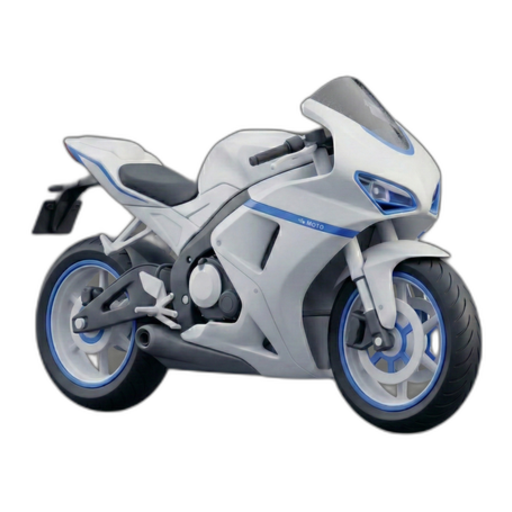
Bajaj Pulsar RS200
6-yr depreciation
Bajaj Pulsar 220F
6-yr depreciation
TVS Raider 125
6-yr depreciation
Bajaj Chetak EV
6-yr depreciation
Bajaj Boxer
6-yr depreciation
Honda Activa 6G Depreciation & Resale Value in India
6-yr depreciation
Also read