Appliances · Resale guide
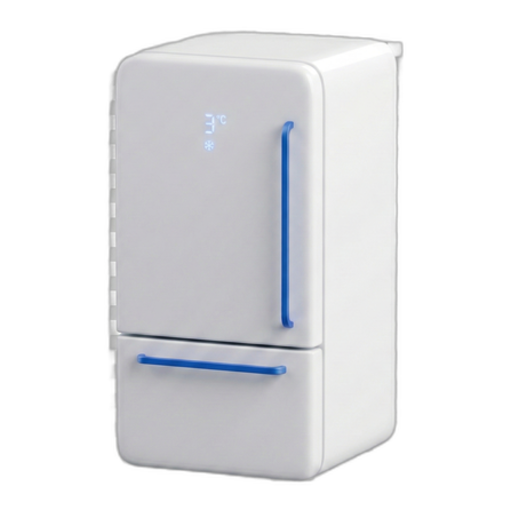
Samsung 253L Fridge
Fair price · India 2026
Prices checked 12 Jul 2026Range: ₹7,000 to ₹15,000 · depends on condition
Depreciation curve
5-year outlookThree ways to sell
Jaldi Bikega
Quick sell · 1–3 days
₹7,000
Sahi Daam · pick
Fair price · 5–10 days
₹13,000
Meri Marzi
Premium · 2–4 weeks
₹19,000
You paid new
₹30,000
Lost ₹17,000 (57%)
In gold
1.0g
@ ₹12,712/g (intl. rate)
Drops by
₹500
every month waiting
= Netflix for
87 mo
(at ₹149/month)
Buying one?
What to pay for a used Samsung 253L Fridge
Fair condition
₹7,000–₹10,000
Good condition · most sales
₹11,000–₹15,000
Like new, with bill
up to ₹19,000
- See it running at the seller's place, and ask for the bill and warranty card.
- Asking more than the range above? Make a lower offer — sellers on Bids44 accept, reject or counter.
- Never pay in advance — no token amount, courier fee or UPI "booking". Meet, check, then pay.
Free. Bids44 notifies you the moment a matching one goes live.
How Much Is a Used Samsung 253L Fridge Worth in India?
A used Samsung 253L Fridge is worth ₹7,000 to ₹19,000 in India in 2026, depending on its condition and age. This wide range primarily reflects the physical wear-and-tear, the health of its core components like the compressor, and whether all original accessories are still intact. A well-maintained unit with minimal cosmetic damage and perfect cooling performance fetches a premium, while a unit showing its age or needing minor repairs will be at the lower end.
Is the Samsung 253L Fridge Still Worth It in 2026?
Launched around 2020-2021, the Samsung 253L Fridge is now about 5-6 years old in 2026. For many Indian households, this capacity remains a sweet spot—it’s ideal for families of 3-4 people without being overly bulky or power-hungry. Samsung’s extensive service network across India means spare parts and technicians are readily available, which is a huge plus for an appliance of this age. You won’t struggle to find someone to fix it if something goes wrong.
In terms of real-world usability today, the core function—keeping food fresh and making ice—is still very much relevant. While newer models boast advanced features like AI-powered cooling or smart connectivity, the fundamental cooling technology in this 253L model is robust and proven. It’s a workhorse that does its job reliably.
The brand’s reputation for durability in appliances also holds up, provided the unit has been reasonably well-cared for. You’re buying into a known quantity with Samsung. Bottom line: If you’re on a budget and need a reliable, mid-sized fridge that’s easy to service, the Samsung 253L Fridge is absolutely still worth considering in 2026.
Samsung 253L Fridge Price Guide
| Condition | Price Range | What It Means |
|---|---|---|
| Like New | ₹15,500 – ₹19,000 | Less than 2 years old, no visible dents or scratches, all original shelves/trays present, perfect cooling and compressor sound. Looks almost new. |
| Good | ₹11,000 – ₹15,000 | 2-4 years old, minor cosmetic blemishes (small scratches, light fading), all core functions working perfectly, door seals intact, may have minor wear on internal plastic. |
| Fair | ₹7,000 – ₹10,000 | 4+ years old, noticeable dents/scratches, possible missing accessories (ice tray, egg holder), cooling might be slightly less efficient, compressor may be a bit noisy, door seal might need replacement soon. |
Note: Prices can vary slightly based on specific sub-models (e.g., Digital Inverter vs. standard compressor) or finish. Use the calculator below for a personalized estimate based on your exact specs.
Advantages — Why Buyers Pick the Samsung 253L Fridge in 2026
Reliable Samsung Service Network Across India. One of the biggest advantages of owning a Samsung appliance in India is the sheer breadth of their service network. From metro cities to smaller towns, finding an authorized service center or a skilled technician for repairs and genuine spare parts is generally straightforward and quick. This significantly reduces downtime and repair headaches for older units.
Optimal Capacity for Small to Medium Families. The 253L capacity hits a sweet spot for many Indian households—it’s typically sufficient for families of 3-4 people. It offers enough space for groceries, daily essentials, and occasional party needs without being excessively large or consuming too much floor space, making it a practical choice for apartments and homes.
Proven Durability and Build Quality. Samsung has a strong track record for building robust home appliances. Even after 5-6 years, units that have been well-maintained often continue to perform reliably. The exterior build quality, door hinges, and internal shelving are generally designed to withstand regular Indian household usage.
Effective Cooling Performance. This model delivers consistent and effective cooling, which is its primary job. Many units feature Samsung’s “All-around Cooling” or similar technologies, ensuring even temperature distribution throughout the fridge compartment. This helps keep food fresh for longer, a crucial factor in India’s varied climate.
Good Energy Efficiency for Its Age. While newer models might be more efficient, the Samsung 253L Fridge often comes with a respectable BEE star rating from its original launch. For a used appliance, its operational costs are generally reasonable, especially if it uses a Digital Inverter compressor which adjusts power based on cooling demand, saving electricity.
Disadvantages — Why You Might Skip the Samsung 253L Fridge in 2026
Potentially Higher Running Costs Compared to Newer Models. As an appliance from 2020-2021, its energy efficiency, while good for its time, might not match the 4 or 5-star rated models launched in 2025-2026. This means slightly higher electricity bills over time. If energy consumption is your absolute top priority, a newer generation appliance might be a better fit.
Limited Smart Features and Connectivity. This model predates many of the advanced smart features now common in premium refrigerators. You won’t find Wi-Fi connectivity, app control, or internal cameras. If you’re looking for a fridge that integrates with your smart home ecosystem, this unit will feel quite basic.
Accumulated Wear and Tear on Internal Components. After 5-6 years, plastic shelves and door bins can become brittle or show cracks, especially if not handled gently. The rubber door gasket might also be less effective, leading to cold air leakage and increased compressor workload. These are common points of failure for any appliance of this age.
Risk of Compressor Issues with Age. While Samsung compressors are generally durable, a 5-6 year old unit is nearing the age where compressor efficiency can start to decline, or it might eventually fail. This is the most expensive repair for a fridge. Consider whether you’re comfortable with this potential major repair down the line.
Aesthetic Dents and Scratches Are Common. It’s rare to find a 5-6 year old fridge without any cosmetic imperfections. Dents, scratches, or fading on the exterior are common. If you prioritize a pristine look for your kitchen, finding a “Like New” unit might be challenging, and you might need to accept some aesthetic compromises.
Factors That Affect Samsung 253L Fridge Resale Value
Age of the Appliance (₹3,000-₹5,000 per year). This is huge. A fridge that’s just 2 years old will fetch significantly more than one that’s 5 years old, even with similar condition. Every additional year past its initial warranty period typically knocks off ₹3,000-₹5,000 from the resale value.
Physical Condition (₹4,000-₹8,000). Dents, deep scratches on the body, or significant rust spots on the bottom or back panel drastically reduce value. A pristine exterior with no blemishes can add ₹4,000-₹8,000 compared to a dented unit. Minor scratches are less impactful.
Internal Condition & Accessories (₹2,000-₹5,000). Intact, crack-free shelves, vegetable drawers, and door bins are crucial. Missing or broken internal parts can reduce the value by ₹2,000-₹5,000 as replacements can be costly or hard to find. A clean, odor-free interior is also a big plus.
Compressor Health and Cooling Performance (₹5,000-₹10,000). This is non-negotiable. A fridge that cools perfectly, maintains temperature, and has a quiet, efficient compressor commands a much higher price. Any signs of weak cooling, excessive noise, or intermittent operation can knock off ₹5,000-₹10,000, as a compressor replacement is expensive.
Door Seal Integrity (₹1,000-₹2,000). A tight, unbroken door seal is vital for efficiency. If the rubber gasket is torn, hardened, or loose (allowing air to escape), it means the compressor works harder and consumes more electricity. This can reduce value by ₹1,000-₹2,000, as buyers will factor in replacement costs.
Service History and Documentation (₹1,000-₹3,000). Having the original purchase bill, warranty card (even if expired), and records of any repairs or annual maintenance can add ₹1,000-₹3,000 to the value. It shows transparency and proper care, reassuring the buyer.
Location (₹500-₹1,500). In major cities like Delhi, Mumbai, or Bangalore, demand and prices for used appliances can be slightly higher due to a larger buyer pool and easier logistics. In smaller towns, you might need to price slightly more competitively.
Maintenance Cost Breakdown (India, 2026)
Table 1 — Authorized Service Centre (genuine parts, full cost):
| Service | Cost | When Needed |
|---|---|---|
| Compressor Replacement | ₹10,000 – ₹14,000 | If fridge stops cooling entirely or compressor is extremely noisy/dead (typically after 8-12 years). |
| Refrigerant Gas Refill (Leak Repair) | ₹3,000 – ₹4,500 | If cooling drops significantly due to gas leakage; includes leak detection and repair. |
| Door Gasket (Seal) Replacement | ₹1,200 – ₹2,000 | If door seal is torn, hardened, or not sealing properly (causes cold air leakage). |
| Thermostat Replacement | ₹1,500 – ₹2,500 | If fridge over-cools, under-cools, or doesn’t maintain consistent temperature. |
| Defrost Heater/Sensor Replacement | ₹1,800 – ₹3,000 | For frost-free models, if excessive ice builds up in the freezer compartment. |
| Main PCB (Control Board) Replacement | ₹4,000 – ₹7,000 | If fridge experiences erratic behavior, lights not working, or cooling issues not compressor related. |
Table 2 — Third-Party Repair Shops (cheaper, with tradeoffs):
| Service | Cost | Tradeoff |
|---|---|---|
| Compressor Replacement | ₹7,000 – ₹10,000 | May use generic or refurbished compressors; no brand warranty on the part itself. |
| Refrigerant Gas Refill (Leak Repair) | ₹2,000 – ₹3,500 | May use lower-quality gas or less thorough leak detection/repair, leading to recurring issues. |
| Door Gasket (Seal) Replacement | ₹800 – ₹1,500 | May use non-original, less durable gaskets that fit imperfectly. |
| Defrost Heater/Sensor Replacement | ₹1,200 – ₹2,000 | May use generic parts; reliability can be lower than genuine parts. |
Annual running cost estimate: ₹1,500-₹3,000 budget for wear-and-tear at this age, plus one major repair likely in years 6-10.
Known Issues — Reported by Real Samsung 253L Fridge Owners
Noisy Compressor Over Time. Many owners on Reddit r/HomeImprovementIndia and local Quora threads report that after 3-4 years, the compressor can become noticeably louder. What started as a gentle hum might evolve into a distinct whirring or rattling sound, especially during startup and shutdown cycles. While often just an annoyance, it can sometimes indicate the compressor is working harder.
Door Seal Hardening and Cold Air Leakage. This is a common complaint found in JustDial reviews for older Samsung models. The rubber door gasket (seal) tends to harden and lose its elasticity over years of use, especially in humid Indian climates. This leads to cold air leaking out, making the compressor run more frequently and consuming extra electricity.
Uneven Cooling in the Refrigerator Compartment. Some users on manufacturer support forums mention that the cooling isn’t always uniform throughout the fridge section, particularly after a few years. They might notice items at the back freezing slightly, while items near the door aren’t as cold. This can point to issues with air circulation or a failing thermostat.
Drainage Tray Overflow or Blockage. For frost-free models, the defrost water drains into a tray usually located above the compressor at the back. Several owners have reported that this drain can get blocked by debris or ice, causing water to leak inside the fridge or onto the floor. It’s an easy fix if caught early but can lead to bigger problems if neglected.
Plastic Shelves and Drawers Becoming Brittle. Over time, the plastic used for internal shelves, vegetable drawers, and door bins can become brittle, especially if exposed to extreme temperature changes or heavy loads. Forums show instances of cracks developing, particularly in the corners of the vegetable crisper or the plastic supports for glass shelves.
THE FRIDGE DOOR SEAL TEST: Check for air leaks. Close the fridge door on a regular sheet of paper (half in, half out). Now, try to pull the paper out. If it slides out easily with little resistance, the rubber gasket seal is worn or damaged. This means your fridge is constantly leaking cold air, forcing the compressor to run overtime, hiking up electricity bills, and potentially spoiling food faster. Gasket replacement costs ₹500-₹1,500, but most people never bother to check this simple thing.
THE FRIDGE COMPRESSOR HAND TEST: Assess its workload. Place your hand on the side of the fridge, near the bottom at the back (where the compressor usually resides). It should feel warm, but not excessively hot. If it’s scorching hot, the compressor might be overworking, possibly due to low refrigerant, a failing fan, or a dirty condenser coil. If one side is warm and the other is room temperature, it suggests uneven heat dissipation, which could hint at internal issues.
THE 24-HOUR FRIDGE TEST (Ask For It): Catch intermittent failures. Ask the seller to leave the fridge running for at least 24 hours before your visit. When you arrive, check a few things: Is there ice forming well in the freezer? Is the fridge section between 2-8°C (use a small thermometer if you have one)? Are the sides warm (normal) or extremely hot? A fridge that starts up fine for 15 minutes during a quick demo might cycle off and then struggle to restart later. This 24-hour test helps catch intermittent compressor or thermostat failures that a short demo won’t reveal.
Warranty Status Timeline
| Period | Warranty Status |
|---|---|
| ~2020 – ~2021 | Manufacturer standard warranty (expired for all units by 2026 unless recently bought as old stock) |
| ~2021 – ~2023 | Extended / Samsung Care+ if purchased — expired or near-expired |
| 2026 | No manufacturer warranty. All repairs out-of-pocket. |
| 2026 | Third-party insurance: not worth it. The cost often outweighs the diminishing value and high deductibles for older appliances. |
For a product that is 5-6 years old like the Samsung 253L Fridge, purchasing third-party insurance from providers like Flipkart, Amazon, or Bajaj Allianz is generally not recommended. The premiums are often high relative to the appliance’s depreciated value, and the terms usually involve significant deductibles or exclusions for common age-related issues.
Pre-Purchase Inspection Checklist
Essential Checks
- Check compressor sound. The fridge’s compressor should hum smoothly and quietly. Listen for any rattling, clicking, loud thumping, or grinding noises, which can indicate a failing compressor.
- Verify cooling performance. Put a glass of water in the fridge section for 30 minutes; it should feel noticeably cold. Check the freezer for solid ice formation.
- Inspect the manufacturing date. Find the sticker (usually inside the fridge or at the back) and note the manufacturing year. This gives you its true age, not just the seller’s purchase date.
- Verify star rating. Ensure the BEE star rating sticker on the fridge matches any claims made by the seller. Higher star ratings mean better energy efficiency.
- Check the power cord. Look for any cuts, frayed insulation, or signs of burn marks on the plug pins, which can indicate electrical issues or damage.
- Examine rubber gaskets. Perform the “paper test” on the door seals. Check for any tears, cracks, hardening, or mold buildup on the rubber gaskets around the doors.
- Inspect internal components. Ensure all shelves, drawers (vegetable crisper, egg trays), and door bins are present and free from cracks or major damage.
- Check interior light. Open the fridge door to confirm the interior light turns on and off correctly. A non-functional light could be a simple bulb or a wiring issue.
- Look for water leakage. Check the bottom of the fridge and the area around the compressor for any signs of water stains or rust, which could indicate a drainage problem or past leaks.
- Inquire about warranty transfer. While unlikely for this age, ask if the original invoice is available, as some brands might offer limited support if the original purchase proof exists.
Insider Checks
THE COMPRESSOR OVERHEAT SENSOR CHECK (₹7,000-₹14,000 if missed). Feel the top of the compressor unit at the back of the fridge. It should be warm, not scorching hot. If it’s extremely hot, it might be running continuously or struggling, indicating a failing overload protector or low gas. A new compressor can cost ₹7,000-₹14,000.
THE DRAIN TRAY DRAINAGE CHECK (₹1,500-₹3,000 if missed). Pull out the fridge from the wall and locate the drain tray, usually above the compressor. Check if it’s full of water or has a lot of dried residue. A full tray means the defrost drain is likely blocked, which will eventually lead to water leakage inside the fridge or onto your floor. Clearing it out is a quick fix, but if ignored, it can cause compressor rust or mold, leading to ₹1,500-₹3,000 in repair costs.
THE FREEZER EVAPORATOR FIN CHECK (₹2,500-₹5,000 if missed). For frost-free models, if you can, carefully open the back panel inside the freezer compartment (often held by a few screws—ask the seller to help). Look at the evaporator fins. They should have a light, even layer of frost. If you see a thick, uneven block of ice, it’s a sure sign of a defrost system failure (heater, sensor, or timer). This is an expensive repair, often ₹2,500-₹5,000, and indicates a fridge that won’t cool efficiently.
THE DOOR ALIGNMENT SQUINT TEST (₹1,000-₹2,500 if missed). Stand back and squat down to eye level with the fridge doors. Squint your eyes and check the alignment of the doors. Are they perfectly parallel to each other and to the fridge body? Any noticeable sag or misalignment can mean worn-out hinges or a warped door, which leads to poor sealing and cold air leaks, costing ₹1,000-₹2,500 to fix the hinges or adjust the door.
THE INTERNAL PLASTIC FLEX TEST (₹800-₹2,000 if missed). Gently press on the plastic of the vegetable crisper and door bins. If they feel overly brittle, crack easily under light pressure, or have small hairline cracks already, they’re likely to break fully soon. Replacements can be hard to find and cost ₹800-₹2,000 per part.
Common Scams to Watch For (India 2026)
Compressor from Scrap Unit. A dishonest seller might replace a faulty compressor with a used one salvaged from a scrap fridge, often without proper servicing. These compressors might work for a short period but are unreliable. Detection: Listen carefully to the compressor sound—it should be a smooth hum, not excessively loud, rattling, or inconsistent. Also, perform the 24-hour test to see if it maintains cooling consistently.
Main PCB (Control Board) Swap. Inverter fridges have a complex PCB. A common scam is swapping the original board with a cheaper, generic, or even partially faulty one from a different model. Detection: Check the model number on the PCB (if visible) against the fridge’s main label. Look for signs of tampering around the PCB compartment. Erratic cooling or display issues could be a red flag.
Water Damage Disguise. Rust on the bottom panel, inside the vegetable drawer area, or around the compressor indicates a history of water leakage or floor flooding. Sellers might try to clean these areas. Detection: Look for subtle rust stains, paint touch-ups on the bottom, or dampness in hidden crevices. A musty smell is also a giveaway.
Fake Star Rating Sticker. Some sellers might replace the original BEE star rating sticker with a higher-rated one to falsely claim better energy efficiency. Detection: Cross-reference the model number on the fridge with online databases to verify its actual BEE rating. Old, faded stickers are normal; a brand-new, crisp sticker on an old fridge is suspicious.
Missing Internal Parts. Sellers might remove original ice trays, egg holders, or even an entire vegetable crisper to sell separately or use in another unit. Detection: Thoroughly check that all advertised internal accessories are present and accounted for. Factor in the cost of replacements if anything is missing.
“Refurbished” Unit Sold as “Like New”. A fridge might have undergone extensive repairs or cosmetic fixes (repainting, new door) but is then advertised as “Like New.” Detection: Look for inconsistent paint finishes, mismatched parts, or signs of welding/repair on the back. A truly “Like New” unit will have original factory finish and no signs of deep maintenance.
Fake Warranty Transfer Claims. Many manufacturers, including Samsung, do not allow the transfer of appliance warranties upon second sale. Sellers might falsely claim transferable warranty to increase appeal. Detection: Assume no warranty on a used appliance unless you can verify it directly with Samsung India’s customer service using the serial number and original purchase invoice.
Seller’s Guide — How to Maximize Your Samsung 253L Fridge Resale
Physical Preparation
Thorough Cleaning is Key. This is non-negotiable. Defrost the fridge completely 24 hours before showing it. Remove all shelves and drawers and wash them with soap and water. Clean the interior with a mild detergent and wipe it dry. Pay attention to door seals, corners, and the drain tray at the back. A clean, odor-free fridge instantly builds buyer trust and adds ₹1,000-₹2,000 to its perceived value.
Exterior Shine. Clean the exterior panels with a mild cleaner. If it’s a metallic finish, use a stainless steel cleaner. Polish the handles. While you can’t remove deep dents, a clean, shiny exterior minimizes the impact of minor blemishes.
Check and Clean Door Seals. Make sure the rubber door gaskets are clean and free of mold or food residue. If they’re a bit stiff, you can try cleaning them with warm water and a little baking soda, then applying a thin layer of petroleum jelly to restore some flexibility.
Documentation
Gather All Papers. Keep your original purchase bill, warranty card (even if expired), and any service records (annual maintenance, repairs) ready. This transparency boosts buyer confidence and can add ₹1,000-₹3,000 to the value. It proves you’re the legitimate owner and have maintained the appliance.
Note Key Specs. Have the model number, capacity (253L), BEE star rating, and manufacturing year handy. This information is crucial for potential buyers.
Listing Photography
Show Its Best Angles. Take clear, well-lit photos of the fridge. Include full exterior shots (front, sides), open door shots showing the clean interior, and close-ups of the shelves and drawers.
Highlight the Rating Label. Take a clear photo of the sticker with the model number, serial number, and BEE star rating. This verifies the specifications.
Video Proof of Function. Take a short 30-second video showing the fridge running, the interior light working, and ice forming in the freezer (if possible). This builds instant buyer trust that the appliance is in working condition.
Platform Choice
List on Bids44 for Competitive Bidding. For a hassle-free sale and to potentially get the best price, consider listing your Samsung 253L Fridge on Bids44. Buyers compete for your item, which often drives up the final sale price beyond what you might get from a single negotiation.
Consider OLX and Other Local Classifieds. For direct buyer-seller interaction, platforms like OLX are popular in India. Be prepared for negotiations and potential lowball offers. You can also explore local appliance dealers who might offer a quick, albeit lower, exchange value.
Final Verdict — Should You Buy or Sell in 2026?
For buyers: If you’re looking for a reliable, mid-sized fridge on a budget, the used Samsung 253L Fridge is a solid choice in 2026. This is especially true if you find a unit that’s 2-4 years old, has minimal external damage, and passes all the cooling and door seal tests. Aim for a unit in the “Good” condition range (₹11,000-₹15,000) for the best balance of price and longevity. If your budget stretches higher, and you value the latest energy efficiency or smart features, consider a newer Samsung model—perhaps a 2024-2025 Samsung 270L or 280L variant—which will offer more modern tech and better long-term power savings.
For sellers: You can realistically expect to sell your Samsung 253L Fridge for between ₹6,500 and ₹15,000, depending heavily on its condition and how well you prepare it. A well-maintained unit, especially one with original documentation, will command a higher price. Be prepared for negotiation, and understand that private sales will generally yield more than a dealer exchange, which might only offer ₹4,000-₹7,000. To maximize your return and potentially get buyers to compete for your fridge, consider listing it on Bids44.
Personalized estimate
Check your Samsung value
Ten seconds. No signup.

Analyzing your item...
On Bids44, buyers compete for your item — so you always get the best price
Powered by Bids44 AI Fun fact
Your item is worth — grams of gold at today's rate
Gold rate: ~₹9,500/gram (Mar 2026). Every month you wait, your item loses value while gold goes up.
Happy with the price?
List on Bids44. Buyers compete. You pick the winner.
Ready to sell your Samsung 253L?
Bids44 is India's bidding marketplace. Buyers compete. You get the best price — not the first offer.
List on Bids44Not sure where to sell? See where to sell used items in India — compared side by side.
Frequently Asked Questions
How much is a used Samsung 253L Fridge worth in India in 2026?
Do I need to service my Samsung 253L Fridge before selling?
Should I include warranty documents when selling?
What accessories and manuals should I include?
Should I sell my used Samsung 253L Fridge locally or ship it?
What common issues reduce Samsung 253L Fridge resale value most?
More like this
Related Appliances guides
AO Smith 15L Storage Water Heater
6-yr depreciation
Haier 195L Single Door Fridge
6-yr depreciation
Eureka Forbes Aquaguard
6-yr depreciation
iRobot Roomba i3
6-yr depreciation
DJI Osmo Pocket 4
6-yr depreciation
Dyson Air Purifier
6-yr depreciation
Also read