Bikes · Resale guide
Honda SP125
Fair price · India 2026
Prices checked 27 Sept 2026Range: ₹40,000 to ₹72,000 · depends on condition
Depreciation curve
5-year outlookThree ways to sell
Jaldi Bikega
Quick sell · 1–3 days
₹40,000
Sahi Daam · pick
Fair price · 5–10 days
₹63,500
Meri Marzi
Premium · 2–4 weeks
₹88,000
New price from
₹75,000
Varies by variant and year
In gold
5.0g
@ ₹12,712/g (intl. rate)
Drops by
₹1,600
every month waiting
= Netflix for
426 mo
(at ₹149/month)
Buying one?
What to pay for a used Honda SP125
Fair condition
₹40,000–₹55,000
Good condition · most sales
₹55,000–₹72,000
Like new, with bill
up to ₹88,000
- Match the RC and chassis number, and check owners, insurance and challans on Parivahan.
- Asking more than the range above? Make a lower offer — sellers on Bids44 accept, reject or counter.
- Never pay in advance — no token amount, courier fee or UPI "booking". Meet, check, then pay.
Free. Bids44 notifies you the moment a matching one goes live.
Buying used? Check vehicle history first
Verify owner count, insurance, challan and blacklist on Parivahan
How Much Is a Used Honda SP125 Worth in India?
A used Honda SP125 is worth ₹40,000 to ₹88,000 in India in 2026, depending on the model year, whether it’s the drum or disc-brake variant, and how honestly the mileage and service history have been maintained. Recent, low-kilometre BS6 units with the disc brake and LED headlamp fetch the top end, while early 2018-2019 drum-brake examples with higher mileage sit toward the bottom.
Is the Honda SP125 Still Worth It in 2026?
Honda launched the SP125 in late 2018 as a step-up commuter above the Shine and Livo, built around fuel injection, an LED headlamp on higher trims, and the idle start-stop system Honda calls i3S. It moved to BS6 in 2020 and has stayed in production largely unchanged since, which means by 2026 you’ll find a wide spread of model years in the used market, most still well within their useful life.
The core appeal hasn’t changed: Honda’s reputation for reliability in the commuter segment, genuinely low running costs, and real-world mileage that owners consistently report in the 60-65 kmpl range in city riding. Spare parts and authorized service are everywhere, since Honda’s two-wheeler network is one of the densest in the country. Owners do flag a handful of niggles — some report a stiff gearbox feel and occasional false neutrals, and a few have reported starting trouble when restarting a hot engine within minutes of switching off.
Bottom line: for buyers who want a dependable, cheap-to-run commuter with wide service support, the SP125 remains one of the safer used-bike bets in 2026. Just budget a little extra scrutiny on the clutch and starting behaviour during your test ride.
Honda SP125 Price Guide
| Condition | Price Range | What It Means |
|---|---|---|
| Like New | ₹72,000 – ₹88,000 | Recent BS6 units (2023-2025), low mileage, disc brake variant, full service history, minimal cosmetic wear. |
| Good | ₹55,000 – ₹72,000 | Regularly serviced BS6 units with moderate mileage, minor cosmetic wear, all functions working normally. |
| Fair | ₹40,000 – ₹55,000 | Older BS4/early BS6 units with higher mileage, visible wear, may need clutch or brake attention soon. |
Disc-brake variants and units with the LED headlamp typically sell faster and for a bit more than base drum-brake models of the same age. Use the calculator below for a personalized estimate based on your exact specs.
Advantages — Why Buyers Pick the Honda SP125 in 2026
Excellent real-world fuel efficiency. Owners consistently report 60-65 kmpl in city traffic and up to 70 kmpl on the highway, among the best in the 125cc commuter class.
Honda’s reliability reputation. The air-cooled, fuel-injected engine has a well-earned reputation for going the distance with minimal drama, which matters a lot when you’re buying second-hand.
Widest possible service network. Honda’s two-wheeler dealer and service footprint reaches deep into smaller towns, so parts and trained mechanics are rarely far away.
Genuinely low service costs. Authorized service typically runs ₹650-1,500 per visit, among the cheapest maintenance costs in the segment.
Fuel-injection and idle start-stop (i3S). The SP125 was one of the more affordable bikes in its class to get fuel injection standard, improving both efficiency and cold starts over carbureted rivals.
Strong resale demand. Because it’s still in production and well regarded, used SP125 units tend to sell faster than discontinued or less-trusted commuter bikes of similar age.
Disadvantages — Why You Might Skip the Honda SP125 in 2026
Occasional hot-restart issue. Some owners report the engine refusing to start immediately after a short ride and a quick shutoff, needing a few minutes’ wait — worth specifically testing during your inspection.
Notchy gearbox on some units. A subset of owners describe occasional false neutrals or a stiffer-than-expected gear lever feel, particularly on higher-mileage examples.
Stock tyres are underwhelming. Several long-term owners report upgrading the factory-fitted tyres fairly early for better grip, adding to the true cost of ownership.
Rear suspension is on the stiffer side. Some riders find the ride quality firm over broken roads compared to a TVS Radeon or Bajaj Platina, which prioritize plushness over sportier handling.
No major styling change in years. If you want something that looks different from the last five years of Honda commuters, an Hero Glamour 125 or Suzuki Gixxer offer a fresher look at similar used prices.
Drum-brake base variant lacks stopping confidence. Some owners of the drum-brake trim report brakes feeling spongy after a few months, making the disc variant the safer used buy if you can find one.
Factors That Affect Honda SP125 Resale Value
Disc vs drum brake variant makes a real difference. A disc-brake SP125 typically fetches ₹4,000-7,000 more than an equivalent drum-brake unit of the same year.
Odometer reading is the biggest lever. Every 10,000 km beyond 25,000 km typically costs ₹3,000-5,000 in negotiated resale value.
Service history matters. A stamped Honda service book with all scheduled services can add ₹2,000-4,000 versus an undocumented bike.
Tyre condition. Since many owners upgrade tyres anyway, worn stock tyres are an easy ₹1,500-2,500 negotiation point for buyers.
Clutch and gearbox feel. A notchy gearbox or slipping clutch, both occasionally reported issues, can cost ₹2,000-4,000 off the asking price once a buyer test-rides it.
Cosmetic condition of the LED headlamp unit (on higher trims). A cracked or fogged headlamp lens is a visible flaw that buyers negotiate hard on, typically ₹1,000-2,000.
City and local demand. Tier-2 and tier-3 towns, where commuter bikes dominate daily transport, often see faster sales and slightly firmer prices than metros with more two-wheeler options.
Maintenance Cost Breakdown (India, 2026)
Table 1 — Authorized Service Centre (genuine parts, full cost)
| Service | Cost | When Needed |
|---|---|---|
| Regular Service | ₹650 – ₹1,499 | Every 3,000-4,000 km or as per service schedule. |
| Chain & Sprocket Set | ₹1,800 – ₹2,800 | Every 20,000-25,000 km or on visible slack/wear. |
| Tyre (front or rear) | ₹1,800 – ₹2,800 | Every 20,000-25,000 km or on visible tread wear. |
| Clutch Plate Set | ₹1,200 – ₹2,000 | On slipping clutch or hard gear engagement. |
| Brake Pad/Shoe Replacement | ₹300 – ₹700 | Every 15,000-20,000 km or on reduced braking. |
| Battery Replacement | ₹900 – ₹1,500 | Every 2-3 years or on hard starting. |
Table 2 — Third-Party/Local Mechanic (cheaper, with tradeoffs)
| Service | Cost | Tradeoff |
|---|---|---|
| Regular Service | ₹300 – ₹600 | Non-genuine oil/filter sometimes used; ask to see the oil can. |
| Chain & Sprocket Set | ₹900 – ₹1,500 | Aftermarket sets often wear out faster than Honda OEM. |
| Tyre (front or rear) | ₹1,200 – ₹2,000 | Non-branded tyres may compromise grip and longevity. |
Annual running cost estimate: Budget ₹3,500-5,500 for an average rider covering 8,000-10,000 km a year, including two-three services, a chain adjustment, and minor wear items.
Known Issues — Reported by Real Honda SP125 Owners
Hot-restart trouble. A recurring owner report on forums describes the engine refusing to start again if switched off and restarted within 5-10 minutes of a ride, generally attributed to heat soak affecting the fuel-injection sensors — worth testing specifically with a warm-restart during inspection.
Occasional false neutrals. Some owners report the gearbox occasionally slipping into a false neutral between gears, particularly noted in user reviews on BikeWale, most commonly on higher-mileage units overdue for a clutch or gear-oil service.
Early oil-seal weeping reported on a few units. A small number of owner reports describe minor oil seepage from the main oil seal appearing within the first few thousand kilometres, which Honda service centres typically resolve under warranty on newer bikes.
Spongy brake feel after a few months. Multiple reviewers note the drum-brake variant’s stopping power softening over time compared to when new, which a brake shoe adjustment or replacement usually restores.
Stock tyre wear and grip complaints. A commonly repeated theme across owner reviews is that the factory-fitted tyres wear faster and grip less confidently in wet conditions than aftermarket alternatives, prompting many owners to replace them ahead of schedule.
Warranty Status Timeline
| Period | Warranty Status |
|---|---|
| At purchase | Standard Honda 2-year/30,000 km warranty (varies slightly by year of purchase). |
| Years 1-2 | Extended warranty if purchased at the time, typically taking coverage to 3-5 years/60,000 km. |
| 2026 (bikes 2018-2021) | Manufacturer warranty has expired for most units; extended warranty may still be active on later 2022+ purchases. |
| 2026 | Third-party mechanical breakdown cover is available but rarely economical given the SP125’s already-low repair costs. |
Pre-Purchase Inspection Checklist
Essential Checks
- Verify the engine and chassis numbers on the RC match the numbers stamped on the bike.
- Check the odometer reading against wear on the seat, foot pegs, and grips for consistency.
- Start the bike cold and listen for smooth idle without excessive vibration or knocking.
- Switch off the engine after a short ride and try restarting within 5 minutes — this specifically tests for the reported hot-restart issue.
- Run through all gears while stationary and while riding, checking for false neutrals or notchy shifts.
- Test both brakes — front disc/drum and rear drum — for firm, consistent bite.
- Check tyre tread depth and even wear on both wheels.
- Inspect the chain slack and sprocket teeth for excessive wear or rust.
- Test all electricals — headlamp (especially LED units), indicators, horn, and speedometer console.
- Check for oil seepage around the engine cases and the main oil seal area.
- Verify the service book stamps match the claimed service history.
- Confirm insurance validity and RC ownership transfer paperwork is in order before paying.
Insider Checks
THE WARM-RESTART TEST: Ride the bike for 10-15 minutes, switch it off, wait exactly 5 minutes, and try restarting. If it struggles or refuses to start, this matches a documented owner complaint and may need Honda service centre diagnosis — not a guaranteed dealbreaker, but a real negotiation point.
THE CLUTCH LEVER FREE-PLAY CHECK: Squeeze the clutch lever and check for roughly 10-15mm of free play before resistance. Too little free play often means the plates are worn and close to needing replacement, a ₹1,200-2,000 job.
THE CHAIN SLACK TEST: With the bike on its centre stand, push the chain up and down midway between the sprockets. More than 25-30mm of vertical play means the chain and sprocket set is due, a ₹1,800-2,800 replacement at an authorized centre.
THE COLD-IDLE SOUND TEST: Listen closely to a cold start for any knocking or excessive tapping noise from the engine, which can indicate valve clearance issues needing adjustment — a minor but telling sign of how well the bike has been maintained.
Common Scams to Watch For (India 2026)
Odometer Tampering. Mechanical and digital odometers can both be rolled back. Cross-check the claimed kilometres against tyre wear, chain stretch, and overall cosmetic condition for consistency.
Chassis/Engine Number Mismatch. Always physically verify both numbers against the RC before paying — a mismatch usually means a stolen or improperly re-registered bike.
Accident Damage Hidden by Fresh Paint or New Panels. A tank or side panel that looks noticeably newer or a different shade than the rest of the bike can indicate prior accident repair. Ask directly and inspect panel alignment closely.
Fake or Incomplete Service Records. Some sellers show a handful of receipts as “full service history.” When in doubt, call the service centre named on the receipt to confirm.
Stolen Bike with Forged RC. Always verify the RC against the Vahan portal (parivahan.gov.in) and confirm there’s no loan hypothecation still active before transferring money.
Engine Swap Disguising Wear. Rare but possible on higher-value used bikes — check that the engine number stamped matches the RC exactly, since a swapped engine from a different (often older or accident-damaged) bike won’t match.
Seller’s Guide — How to Maximize Your Honda SP125 Resale
Get any hot-restart or gearbox quirks checked before listing. These are exactly the issues informed buyers will test for, so resolving them upfront avoids awkward on-the-spot price negotiations.
Replace worn stock tyres if you’re close to needing it anyway. Since buyers commonly flag tyre wear, doing this before listing can lift your final price by more than the tyre cost.
Keep the service book and every receipt together. A complete paper trail is one of the most reassuring things you can hand a cautious buyer.
Clean the chain and lubricate it before showing the bike. A well-maintained chain and sprocket set signals general care to anyone inspecting the bike.
Highlight the disc brake and LED headlamp if your variant has them. These are genuine value-adds buyers actively search for — don’t bury them in the listing description.
Platform choice: List on Bids44 for competitive local buyer bids, or use OLX for wider reach. Compare against a Honda Shine or Hero Splendor Plus, check the best resale value bikes in India guide, and see the resale value index for broader market context.
Final Verdict — Should You Buy or Sell in 2026?
For buyers: The Honda SP125 in 2026 is a strong pick if you want a fuel-efficient, low-maintenance commuter backed by the country’s widest two-wheeler service network. Favour a disc-brake variant with documented service history, specifically test for the reported hot-restart quirk, and aim to close within the Good band shown in the price guide above. If styling matters more to you than outright reliability, a Suzuki Gixxer or Hero Glamour 125 at similar money are worth cross-shopping.
For sellers: Your SP125’s biggest selling points are fuel efficiency and Honda’s reliability reputation — lead with those and back them up with your service book. Realistic asking prices sit within the Good band shown above for a well-kept unit, with a floor around ₹40,000 for higher-mileage examples. A private sale or a bidding platform like Bids44 will typically beat a dealer exchange by ₹3,000-6,000.
Personalized estimate
Check your Honda value
Ten seconds. No signup.

Analyzing your item...
On Bids44, buyers compete for your item — so you always get the best price
Powered by Bids44 AI Fun fact
Your item is worth — grams of gold at today's rate
Gold rate: ~₹9,500/gram (Mar 2026). Every month you wait, your item loses value while gold goes up.
Happy with the price?
List on Bids44. Buyers compete. You pick the winner.
Ready to sell your Honda SP125?
Bids44 is India's bidding marketplace. Buyers compete. You get the best price — not the first offer.
List on Bids44Not sure where to sell? See where to sell used items in India — compared side by side.
Frequently Asked Questions
How much is a used Honda SP125 worth in India in 2026?
Which Honda SP125 colour has the best resale value?
Does owner count affect Honda SP125 resale value?
What documents do I need to sell a used Honda SP125?
How does insurance status affect Honda SP125 resale?
Do modifications increase or decrease my Honda SP125 resale value?
More like this
Related Bikes guides
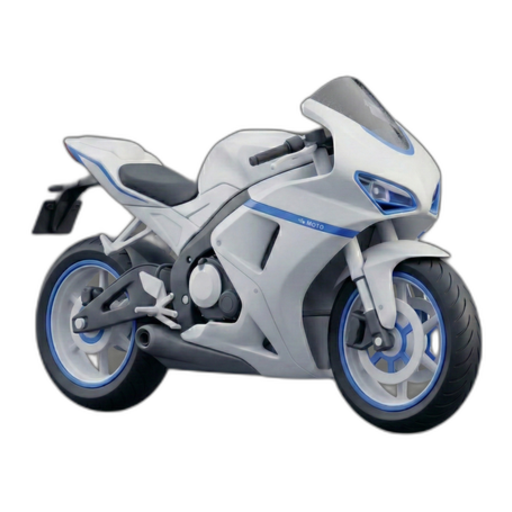
Ultraviolette Tesseract
6-yr depreciation
Suzuki Intruder 150
6-yr depreciation
Suzuki Gixxer 155
6-yr depreciation
Yamaha RX100
6-yr depreciation
Royal Enfield Classic 350 Resale & Exchange Value
6-yr depreciation
Yamaha FZ16
6-yr depreciation
Also read