Cars · Resale guide
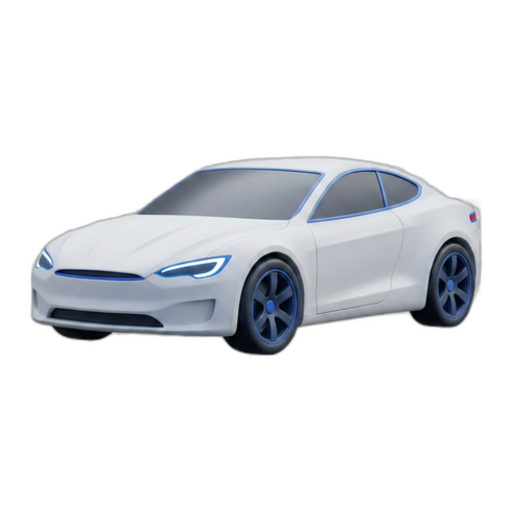
Tesla Model Y
Fair price · India 2026
Prices checked 1 Jun 2026Range: ₹24,20,000 to ₹36,50,000 · depends on condition
Depreciation curve
5-year outlookThree ways to sell
Jaldi Bikega
Quick sell · 1–3 days
₹24,20,000
Sahi Daam · pick
Fair price · 5–10 days
₹31,45,000
Meri Marzi
Premium · 2–4 weeks
₹38,40,000
You paid new
₹59,89,000
Lost ₹28,44,000 (47%)
In gold
247.4g
@ ₹12,712/g (intl. rate)
Drops by
₹85,800
every month waiting
= Netflix for
21107 mo
(at ₹149/month)
Buying one?
What to pay for a used Tesla Model Y
Fair condition
₹24,20,000–₹33,60,000
Good condition · most sales
₹26,40,000–₹36,50,000
Like new, with bill
up to ₹38,40,000
- Match the RC and chassis number, and check owners, insurance and challans on Parivahan.
- Asking more than the range above? Make a lower offer — sellers on Bids44 accept, reject or counter.
- Never pay in advance — no token amount, courier fee or UPI "booking". Meet, check, then pay.
Free. Bids44 notifies you the moment a matching one goes live.
Buying used? Check vehicle history first
Verify owner count, insurance, challan and blacklist on Parivahan
How Much Is a Used Tesla Model Y Worth in India?
A used Tesla Model Y is worth ₹24,20,000 to ₹38,40,000 in India in 2026, depending on its condition, battery health, and specific variant. This wide range reflects factors like the car’s age, total kilometres driven, and whether it’s a Standard Range, Long Range, or Performance model. A well-maintained Model Y with good battery health and lower mileage will naturally fetch a premium, while older models with more wear or higher mileage will be on the lower end.
Is the Tesla Model Y Still Worth It in 2026?
The Tesla Model Y, first introduced globally in 2020, is now a 6-year-old design. For Indian buyers in 2026, this means you’re looking at a mature product with a proven track record, but also one that’s several years into its lifecycle. Its real-world usability remains high, offering excellent range, quick acceleration, and a spacious cabin that works well for Indian families. However, Tesla’s official service network in India for older, imported models can still be a bit of a maze, primarily relying on designated service partners or grey-market specialists.
Software updates continue to be a strong point, keeping the Model Y feeling fresh with new features and improved functionality over time. Spare parts availability, especially for specific body panels or internal components, might require patience or reliance on imported channels, which can add to costs. The brand’s trust factor is high globally, but its direct support infrastructure for used imports in India is still evolving.
Bottom line: The Model Y offers a compelling electric SUV experience, but be prepared for a slightly more involved ownership journey due to the current state of official support for used imports in India.
Tesla Model Y Price Guide
| Condition | Price Range | What It Means |
|---|---|---|
| Like New | ₹27,70,000 – ₹38,40,000 | Under 30,000 km, pristine exterior/interior, battery health 90%+ (as reported by car diagnostics), full service history, no accident damage. |
| Good | ₹26,40,000 – ₹36,50,000 | 30,000-70,000 km, minor cosmetic wear (small scratches, light interior scuffs), battery health 85%+, documented service history, no major repairs. |
| Fair | ₹24,20,000 – ₹33,60,000 | 70,000-1,20,000 km, noticeable dents/scratches, interior wear, battery health 80%+, potential for minor non-critical issues, may have a minor accident history. |
Prices will also adjust based on the specific variant (Standard Range, Long Range, Performance) and any premium features like Full Self-Driving (FSD) capability. Use the calculator below for a personalized estimate based on your exact specs.
Advantages — Why Buyers Pick the Tesla Model Y in 2026
Exceptional Range and Performance: Even in 2026, a Model Y offers a real-world range that comfortably handles most inter-city travel in India, often exceeding 350-400 km on a single charge for Long Range variants. Its instantaneous torque delivers exhilarating acceleration, making overtakes on highways effortless. The low centre of gravity also provides a surprisingly stable and engaging driving experience.
Advanced Infotainment and Software: The large 15-inch central touchscreen is the command centre, controlling almost every function from climate to navigation. Tesla’s software, constantly updated over-the-air, provides features like Sentry Mode, Dog Mode, Caraoke, and a comprehensive suite of driving assistance systems. This keeps the car feeling modern and feature-rich even years after its launch, unlike many other vehicles that quickly feel dated.
Spacious and Practical Interior: The Model Y offers a remarkably spacious cabin for five adults and generous cargo capacity, thanks to its dedicated front trunk (frunk) and large rear boot. The flat floor, panoramic glass roof, and minimalist design contribute to an airy feel, making it comfortable for long drives across varied Indian terrains. Many owners appreciate the practicality for family trips.
Strong Safety Record: Tesla vehicles are known for their high safety ratings globally. The Model Y’s rigid body structure, numerous airbags, and advanced driver-assistance systems (ADAS) provide a high level of passive and active safety, which is a major draw for Indian families navigating busy roads. Features like automatic emergency braking and collision avoidance are standard.
Supercharger Network (Evolving): While still developing, Tesla’s Supercharger network is expanding in India, offering rapid charging speeds that significantly reduce travel times on major corridors. For Model Y owners, this provides a level of convenience and reliability for long-distance travel that is hard to match with generic public chargers, though access for used imports can sometimes be tricky without official channels.
Low Running Costs: As an electric vehicle, the Model Y benefits from significantly lower per-kilometre running costs compared to petrol or diesel SUVs. Charging at home during off-peak hours can be incredibly economical, and even public fast chargers are generally cheaper than fuel. The reduced number of moving parts also translates to fewer routine maintenance items.
Disadvantages — Why You Might Skip the Tesla Model Y in 2026
Limited Official Service and Spares in India: This is a big one. While Tesla is present in India, official support for older, imported Model Y units can be challenging. Many owners rely on grey market channels or specialized EV workshops for maintenance and repairs, which might not always use genuine parts or have the expertise for complex issues. If you prefer official service, this car might not be for you.
High Repair Costs for Bodywork and Components: Should you have an accident or need to replace a major component like a battery module or a drive unit, the costs can be substantial. Sourcing parts can be slow and expensive due to import duties and the lack of a robust local supply chain for older models. Even minor body damage can lead to significant bills compared to other premium SUVs.
Charging Infrastructure Dependency: While India’s EV charging network is growing, relying solely on public chargers for a primary vehicle can still be inconvenient, especially outside major cities. If you don’t have reliable home charging access (dedicated parking, 15A socket, or a wall connector), owning an EV like the Model Y can become a logistical challenge.
Stiff Ride Quality on Poor Roads: The Model Y’s suspension, tuned for global markets, can feel a bit firm on India’s often-uneven roads and potholes. Some owners report that the ride can be jarring, especially with larger wheels, impacting passenger comfort on longer journeys. If you frequently drive on rougher surfaces, this might be a concern.
Minimalist Interior Design: The Model Y’s interior is dominated by a single screen, with very few physical buttons. While some love the clean aesthetic, others find it distracting to perform basic functions like adjusting wipers or climate control through the touchscreen while driving. This design choice requires a learning curve and might not suit everyone’s preference for tactile controls.
Battery Degradation Over Time: Like all EVs, the Model Y’s battery capacity will degrade over its lifespan, leading to a reduction in range. While Tesla’s batteries are robust, a 6-year-old model might have 10-15% less usable range than when new. This isn’t a fault, but a natural consequence of age and usage, and something to factor into your long-term ownership expectations.
Factors That Affect Tesla Model Y Resale Value
Battery Health (State of Health - SOH): This is the single biggest factor for any EV. Every percentage point above 85% SOH can increase resale by ~₹50,000-₹70,000. Below 80%, expect buyers to negotiate ₹1,50,000-₹2,50,000 off to cover future battery concerns or potential module replacements. You can check SOH via the car’s service menu or a diagnostic tool.
Total Kilometres Driven: Lower mileage always commands a premium. A Model Y with under 50,000 km will easily fetch ₹1,00,000-₹2,00,000 more than one with 80,000 km, assuming similar age. Beyond 1,00,000 km, expect a significant drop of ₹2,50,000-₹4,00,000 as major component wear becomes a concern.
Condition (Exterior & Interior): A pristine exterior without dents, major scratches, or repaints, and a clean, well-maintained interior (no tears, stains, or excessive wear) can add ₹70,000-₹1,20,000. Neglecting cosmetic issues can easily shave off ₹1,00,000-₹1,80,000.
Variant and Features: The Long Range and Performance variants are more desirable than the Standard Range, commanding ₹1,50,000-₹3,00,000 more. Additional features like Full Self-Driving (FSD) capability (even if not fully usable in India) or premium interior upgrades can add ₹80,000-₹1,50,000 to the value.
Service History and Documentation: A complete and verifiable service history, ideally from an authorized Tesla service partner or a reputable EV specialist, adds significant trust and value, potentially ₹60,000-₹1,00,000. Keep all charging cables, adaptors, and the owner’s manual ready.
Owner Count and Registration City: A single-owner car is always preferred and can add ₹40,000-₹70,000. Cars registered in major metros with better charging infrastructure (e.g., Bengaluru, Delhi NCR, Mumbai) might have slightly higher demand and thus better prices than those from smaller towns.
Tyre Condition: Worn-out tyres are a major negotiation point. If the tyres have less than 15,000-20,000 km of life left, expect buyers to deduct ₹40,000-₹70,000 for a new set.
Maintenance Cost Breakdown (India, 2026)
Table 1 — Authorized Service Centre (genuine parts, full cost):
| Service | Cost | When Needed |
|---|---|---|
| Annual Inspection & Diagnostics | ₹15,000 – ₹25,000 | Annually or every 20,000 km |
| Brake Pad Replacement (front/rear) | ₹28,000 – ₹45,000 | Every 60,000-1,00,000 km (less due to regenerative braking) |
| Tyre Rotation & Wheel Alignment | ₹4,000 – ₹7,000 | Every 10,000-15,000 km |
| Cabin Air Filter Replacement | ₹6,000 – ₹10,000 | Every 2 years or 40,000 km |
| Coolant Flush (battery/motor) | ₹18,000 – ₹30,000 | Every 4-5 years or 80,000-1,00,000 km |
| 12V Battery Replacement | ₹18,000 – ₹28,000 | Every 3-5 years (can be less if car is often parked) |
| Suspension Component Repair/Replace | ₹35,000 – ₹1,20,000+ | As needed, depending on part (bushings, shock absorbers) |
| Major Diagnostic (complex issues) | ₹10,000 – ₹20,000 | As needed, for software or electrical faults |
Table 2 — Third-Party Repair Shops (cheaper, with tradeoffs):
| Service | Cost | Tradeoff |
|---|---|---|
| Annual Inspection & Diagnostics | ₹8,000 – ₹15,000 | May lack Tesla-specific diagnostic tools, potentially missing subtle issues. |
| Brake Pad Replacement (non-OEM) | ₹18,000 – ₹30,000 | Non-genuine parts might have different performance or longevity. |
| Tyre Rotation & Wheel Alignment | ₹2,500 – ₹4,000 | Standard equipment, may not be calibrated for Tesla’s specific weight/setup. |
| Cabin Air Filter Replacement | ₹3,000 – ₹6,000 | Aftermarket filters may have varied quality, fitment. |
| 12V Battery Replacement | ₹10,000 – ₹18,000 | Non-OEM battery might not integrate perfectly with car’s energy management. |
Annual running cost estimate: ₹30,000-₹60,000 budget for wear-and-tear at this age, plus one major repair likely in years 2027-2028 depending on usage.
Known Issues — Reported by Real Tesla Model Y Owners
Panel Gap Inconsistencies: Forums like Team-BHP and Reddit r/CarsIndia frequently mention that early Model Y units, especially, can have noticeable panel gaps that aren’t perfectly uniform. While usually cosmetic and not affecting structural integrity, it’s something to inspect closely as it’s a common owner complaint.
Rear Hatch/Tailgate Alignment Issues: Some owners on YouTube long-term review channels have reported the rear power tailgate not closing perfectly flush or needing adjustment after some time. This can lead to wind noise or even water ingress if seals are compromised. Check for even gaps around the tailgate and smooth operation.
Suspension Noises and Bushing Wear: Given India’s road conditions, a recurring issue reported by owners on various platforms is creaking or clunking noises from the suspension, particularly after 50,000-70,000 km. This often points to worn bushings or control arms, which can be an expensive fix if not addressed early. Listen carefully on a test drive over speed bumps.
12V Battery Failure: Despite being an EV, the Model Y still relies on a traditional 12V battery for auxiliary systems. Many owners on online forums have reported unexpected 12V battery failures, sometimes leading to the car being unable to start or access the main high-voltage battery. Check the service history for recent 12V battery replacements.
Tyre Wear (Inner Edge): Due to the Model Y’s weight and suspension geometry, some owners, especially those with performance variants, report accelerated and uneven wear on the inner edge of the tyres. This indicates a need for frequent wheel alignments and rotations. Always check the tyre date codes and wear patterns on all four tyres.
Infotainment Screen Delamination/Yellowing: A few older Model Y units have shown signs of the infotainment screen starting to delaminate or develop a yellowish tint, particularly around the edges, over time. This is a rare but expensive repair, so check the screen clarity and touch responsiveness thoroughly.
Warranty Status Timeline
| Period | Warranty Status |
|---|---|
| 2020 – 2024 | Manufacturer standard warranty (expired for all units by 2026 unless recently bought, which is unlikely for a used car in India) |
| 2020 – 2028 | Battery and Drive Unit Warranty (8 years or 1,92,000 km for Long Range/Performance, 8 years or 1,60,000 km for Standard Range) — This is the only active manufacturer warranty you might find. |
| 2026 | No manufacturer warranty on general vehicle components. All repairs out-of-pocket for most parts. |
| 2026 | Third-party insurance: worth it only for comprehensive coverage against accidents, not for mechanical breakdowns. |
For a 2020-2022 Model Y in 2026, the factory warranty for general components will have expired. The critical Battery and Drive Unit warranty might still be active, offering peace of mind for the most expensive components. Third-party insurance from providers like Bajaj Allianz or HDFC Ergo is only worth it for accident coverage, as mechanical breakdown policies typically don’t cover a car this old or complex.
Pre-Purchase Inspection Checklist
Essential Checks
- Check RC details on Parivahan app — Verify owner name, registration date, fuel type (Electric), insurance status, and any hypothecation. This is your first line of defence against scams.
- Match chassis number (visible on the dashboard through the windshield, and on a sticker inside the driver’s door frame) with the RC book. Discrepancies are a red flag.
- Check odometer reading — Compare with service records and the car’s internal diagnostics (often accessible through the service menu on the screen). Low kms but worn pedals/steering = likely tampered.
- Cold start test: Visit when the car hasn’t been charged or driven for at least 6-8 hours. Check for any unusual noises from the motor, HVAC system, or immediate error messages on the screen.
- Check all four tyres — Look for uneven wear (especially inner edges), which indicates alignment issues or suspension problems. Also note the brand and model of tyres; premium EVs use specific low-rolling resistance tyres.
- Open frunk (front trunk): Check for any signs of water ingress, rust on bolts, or unusual modifications. The frunk area should be clean and dry.
- Test AC on max for 5 minutes — Ensure powerful and consistent cooling. Weak cooling means a potential AC compressor or gas issue (₹20,000-₹45,000 repair at a specialist).
- Drive for 15+ minutes: Test acceleration (instant torque should be smooth), regenerative braking (should feel consistent), steering response, and listen for any suspension noises over bumps, especially at 80+ kmph.
- Check all electricals: Test all windows, door locks, power mirrors, panoramic glass roof (for smooth operation and leaks), music system, all exterior and interior lights, and the reverse camera.
- Look for paint mismatch between panels — Indicates accident repair. Check panel gaps too, ensuring they are uniform around all doors, hood, and tailgate.
- Check undercarriage for rust, especially around the battery pack housing and suspension mounting points. Any heavy scraping could indicate battery pack damage.
- Verify duplicate key card is available — Getting a new key card from a Tesla service partner or importer can cost ₹15,000-₹30,000.
Insider Checks
THE PEDAL WEAR REVEALER (₹2,50,000+ fraud risk): Look closely at the rubber pads on the accelerator and brake pedals. A car with 30,000-50,000 km should still have clear grooves and texture. If the pedals are smooth, shiny, or worn flat, the car has done significantly more kilometres than the odometer claims. Brand new pedal rubbers on a 3-4 year old car are a huge red flag – someone replaced them to hide real usage. This check alone can save you from a ₹2,50,000-₹5,00,000 loss from odometer fraud.
THE STEERING WHEEL GRIP TEST (₹1,00,000+ usage indicator): Run your hands around the steering wheel at the 10 and 2 o’clock positions. These are the spots that wear first from daily grip. A genuinely low-km car will have uniform texture all around. If 10 and 2 are noticeably smoother or shinier than the 6 o’clock position, the car has been driven a LOT, regardless of what the odometer says. Replacing a steering wheel can cost ₹40,000-₹80,000.
THE DOOR HINGE SAG CHECK (₹70,000+ repair): Open each door fully and gently lift the outer edge upward. There should be almost no play. Saggy hinges mean heavy use (thousands of open/close cycles) or that the door was removed during accident repair. If a passenger door sags more than the driver’s door, that specific door was likely replaced or heavily used. Fixing sagging hinges or replacing door stays can cost ₹20,000-₹70,000 per door.
THE PAINT THICKNESS / FRIDGE MAGNET TRICK (₹1,50,000+ accident indicator): If you can, get a cheap paint thickness gauge (₹500-₹1,000 on Amazon) and check every panel. Factory paint on a Tesla is typically 100-130 microns. Readings above 200 microns almost certainly mean the panel has been repainted, indicating accident damage. If no gauge, use a fridge magnet – it sticks weaker to repainted surfaces due to extra paint or filler. Pro tip: always check the ROOF. Nobody repaints the roof unless there was a serious accident. Missing this can mean buying a structurally compromised car.
THE TYRE DATE CODE CHECK (₹50,000-₹1,00,000 hidden cost): Look at the tyre sidewall for a 4-digit number in an oval (e.g., “2523” means week 25 of 2023). If the car is from 2020 but the tyres are from 2019, they are either old stock or the car is older than claimed. If all four tyres have different date codes, it means multiple replacements, often due to high usage or punctures. A full set of new Model Y tyres can easily cost ₹50,000-₹1,00,000.
THE OBD2 SCANNER TEST (₹1,500 investment, lakhs saved): Buy a Bluetooth OBD2 scanner (₹800-₹1,500 on Amazon), plug it into the port under the dashboard (usually near the driver’s footwell), and use a free app like “Torque” or “Car Scanner”. While Tesla’s OBD2 port is somewhat limited, it can sometimes reveal hidden error codes or even a different odometer reading stored in the ECU, which is crucial for detecting fraud. If the OBD reading doesn’t match the dashboard, it’s confirmed fraud.
Common Scams to Watch For (India 2026)
Kms Rollback Fraud: This is rampant. The odometer is tampered with to show a lower reading, making the car appear less used and more valuable. Always cross-check the odometer with service history records, the Parivahan vehicle info, and use the pedal wear and steering wheel tests. If a 6-year-old Model Y has suspiciously low kilometres (e.g., under 20,000 km), be extra cautious.
Curbstoning (Fake Individual Seller): Unlicensed dealers pose as “individual sellers” to avoid legal obligations, consumer protection laws, and GST. If the seller has multiple cars listed, professional photography, or seems overly eager to meet at a neutral location rather than their home, they might be a curbstoner. You lose all recourse if something goes wrong.
Hidden Accident History: Cars with significant accident damage are cosmetically repaired and sold as “non-accidental.” Check for paint mismatch between panels, uneven panel gaps, overspray on rubber seals, and ensure all airbags are present and warning lights are off. Use the paint thickness test to identify repainted areas.
Flood-Damaged Cars: These are often bought cheap, cleaned up, and resold, but electrical gremlins and corrosion develop 3-6 months later. Check under carpets for water stains, look for rust on non-exposed bolts (like under the dashboard), and smell for a persistent musty odour. Electrical issues in an EV are extremely costly.
Fake Service Records: Sellers might forge service stamps or create fake digital records. Always cross-check the VIN with Tesla’s service partners (if they offer this for imports) or reputable EV specialists. Gaps in service history are also a red flag.
Pending Loan / Hypothecation: The seller might not have cleared their bank loan on the car, meaning the bank still owns a lien on it. Always verify the RC shows “No Hypothecation” before making any payment. If it’s still hypothecated, ensure the seller provides a clear NOC (No Objection Certificate) from the bank before transfer.
Chassis or Engine Number Tampering: In very rare cases, stolen vehicles or those restored from scrap might have tampered chassis or motor numbers. Always verify both numbers match the RC and Parivahan records exactly. If anything looks altered or suspicious, walk away.
Seller’s Guide — How to Maximize Your Tesla Model Y Resale
Data Preparation (30 minutes)
Back up and Delete Personal Data: Navigate to Controls > Safety & Security > Delete Driver Profile(s) to remove your settings and connected devices. Then, perform a factory reset via Controls > Service > Factory Reset. This wipes all personal data, ensuring privacy for the next owner. Ensure the car is connected to Wi-Fi for this.
Sign Out of Tesla Account: Crucially, remove the car from your Tesla app and account. The new owner won’t be able to add it to their account if it’s still linked to yours. This is usually done through the Tesla app under Security & Privacy > Remove Vehicle.
Physical Preparation
Get a Fresh Inspection/Service Done: A recent inspection report from a reputable EV specialist or an authorized Tesla service partner adds immense trust and value, potentially 3-5% to the price. It shows proactive maintenance.
Renew PUC Certificate and Insurance: Ensure your Pollution Under Control (PUC) certificate is current. Active comprehensive insurance is a must for buyer confidence and smooth transfer.
Fix Minor Dents and Scratches: A ₹5,000-₹10,000 investment in fixing minor body imperfections and paint touch-ups can easily add ₹30,000-₹50,000 to your asking price. First impressions matter.
Thorough Interior and Exterior Detailing: A professional deep clean and detailing (₹5,000-₹15,000) will make the car feel new. Shampoo seats, clean the dashboard, remove all personal items, and ensure the glass roof is spotless. A clean car sells faster and for more.
Check and Top Up All Fluids: Ensure the windshield washer fluid and battery/motor coolant levels are correct. While not a traditional combustion engine, these still need to be checked.
Ensure All Electricals Work: Double-check AC, power windows, all lights, infotainment system, reverse camera, and charging port. Any non-working feature is a negotiation point.
Documentation
Gather All Documents: Have the original RC book, active insurance policy, PUC certificate, all service records (digital and physical), and the original purchase invoice ready. If you had a loan, get the NOC from the bank. A complete document set adds ₹50,000-₹80,000 in perceived value.
Include Charging Cables and Adaptors: Make sure you have all original charging cables, adaptors (like the Type 2 to CCS2 adaptor if you have one), and the original key cards. Missing these can lead to deductions.
Listing Photography
Take Clear, Well-Lit Photos: Shoot in daylight, preferably golden hour, against a neutral background. Take exterior photos from all four corners, front and rear profiles, and close-ups of wheels.
Highlight Interior Features: Photograph the clean interior, dashboard, infotainment screen (showing battery health, odometer), panoramic roof, and both the frunk and rear boot space.
Show Key Documentation: Include a clear photo of the odometer reading, and perhaps a page from the service history.
Platform Choice
For maximizing your Tesla Model Y resale, consider listing on Bids44.com, where multiple verified buyers compete, often driving prices higher. Also, list on established platforms like OLX and Cars24. Spinny and Droom are good for initial estimates but might offer slightly lower trade-in values. Be prepared for direct negotiation if you go the private seller route.
Final Verdict — Should You Buy or Sell in 2026?
For buyers: The used Tesla Model Y in 2026 is an excellent choice for those seeking a premium electric SUV experience with great performance and cutting-edge tech, provided you understand the nuances of owning an imported EV in India. Look for a Long Range or Performance variant with under 60,000 km, verifiable service history, and a battery health of 85% or higher. Your ideal price band should be in the ₹28,00,000-₹35,00,000 range for a “Good” condition model. If your budget stretches significantly higher and you prioritize the latest tech and full official support, a newer model from the same brand, like a future iteration of the flagship sedan or SUV, might offer a more seamless ownership experience.
For sellers: To maximize your Model Y’s value in 2026, focus heavily on presenting a well-maintained car with excellent battery health and a complete service record. A realistic listing price for a good condition car will be in the ₹30,00,000-₹36,00,000 range, with a negotiation floor around ₹28,00,000. Private sales will generally fetch 10-15% more than dealer exchange offers. We recommend listing on Bids44.com to leverage competitive bidding, alongside other platforms like OLX for broader reach. Find Tesla Model Y listings on Bids44.
Personalized estimate
Check your Tesla value
Ten seconds. No signup.

Analyzing your item...
On Bids44, buyers compete for your item — so you always get the best price
Powered by Bids44 AI Fun fact
Your item is worth — grams of gold at today's rate
Gold rate: ~₹9,500/gram (Mar 2026). Every month you wait, your item loses value while gold goes up.
Happy with the price?
List on Bids44. Buyers compete. You pick the winner.
Ready to sell your Tesla Model?
Bids44 is India's bidding marketplace. Buyers compete. You get the best price — not the first offer.
List on Bids44Not sure where to sell? See the best apps to sell used items — compared side by side.
Frequently Asked Questions
How much is a used Tesla Model Y worth in India in 2026?
What documents do I need to sell a used Tesla Model Y?
Should I sell my Tesla Model Y privately or to a dealer?
When is the best time to sell my Tesla Model Y?
Should I service my Tesla Model Y before selling?
How do I prove my Tesla Model Y kms reading hasn't been rolled back?
More like this
Related Cars guides
Maruti Suzuki Alto K10
6-yr depreciation
Honda Elevate
6-yr depreciation
Audi A4
6-yr depreciation
John Deere Tractor
6-yr depreciation
Hyundai Verna
6-yr depreciation
Tata Indigo
6-yr depreciation
Also read